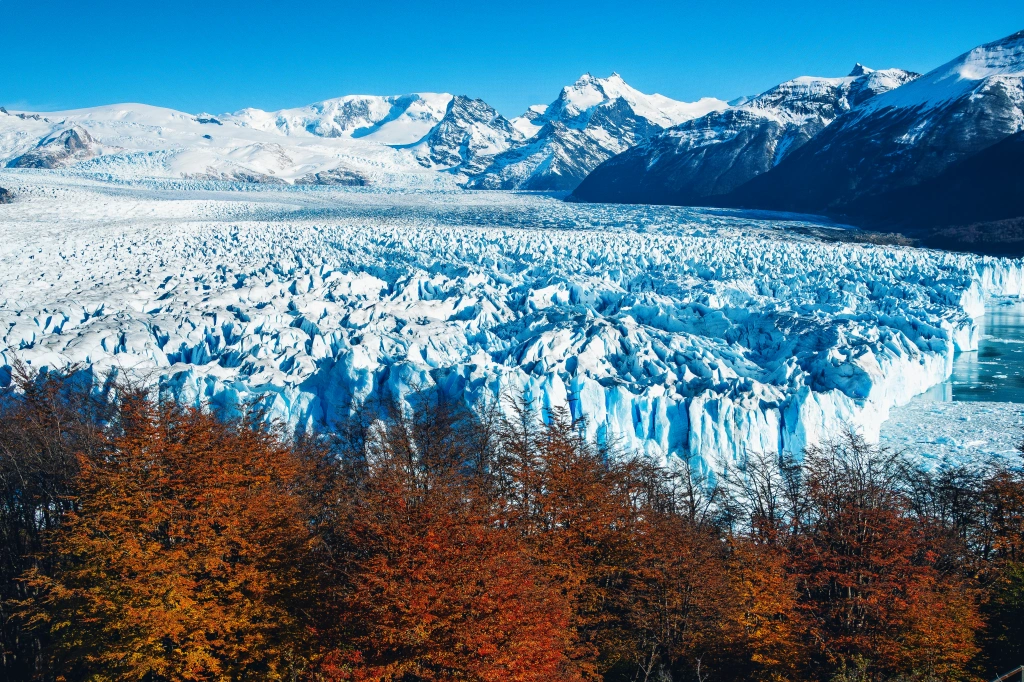
Patagonia Ecotourism Discover Sustainable Travel Adventures in Patagonia
Patagonia, a breathtaking region shared by Chile and Argentina, has become a dream destination for eco-conscious travelers. With its pristine glaciers, majestic Andes peaks, turquoise lakes, and diverse wildlife, Patagonia is more than just a scenic paradise; it’s also a hub for sustainable tourism.
Ecotourism in Patagonia emphasizes responsible travel practices, conservation of fragile ecosystems, and cultural appreciation of indigenous traditions. Instead of mass tourism, visitors here engage in environmentally friendly activities that minimize impact while maximizing connection with nature. From trekking through Torres del Paine National Park to spotting guanacos on the plains, Patagonia is a living classroom for sustainability.
Why Patagonia is a Global Ecotourism Hotspot
Patagonia is not only famous for its dramatic landscapes but also its eco-preservation efforts. Governments, NGOs, and local communities work together to ensure that tourism supports conservation instead of damaging the land.
Travelers are encouraged to stay in eco-lodges that run on renewable energy, participate in guided tours that educate about biodiversity, and explore parks that reinvest entry fees into preservation projects. This balance between exploration and conservation has made Patagonia a model for sustainable travel.
Key Ecotourism Activities in Patagonia
Trekking and Hiking in National Parks
Patagonia is a hiker’s paradise, offering trails ranging from day hikes to multi-day treks. Popular routes like the W Trek in Torres del Paine or the Fitz Roy trek in El Chaltén allow travelers to experience glaciers, mountain peaks, and alpine valleys while following Leave No Trace principles.
Hiking here is more than physical exercise; it’s an opportunity to understand the delicate ecosystems. Many treks are guided by local experts who explain flora, fauna, and conservation challenges, making the experience both adventurous and educational.
Wildlife Watching and Birding
Patagonia is home to unique species like guanacos, condors, pumas, and Magellanic penguins. Ecotourism programs prioritize wildlife protection by organizing controlled observation tours that reduce stress on animals.
For birdwatchers, Patagonia is heaven with over 460 recorded bird species. Instead of exploiting habitats, eco-guides teach travelers how to spot and respect wildlife from a safe distance, ensuring coexistence between humans and nature.
Glacier Exploration
Few places on Earth allow travelers to witness glaciers as massive as those in Patagonia. The Perito Moreno Glacier in Argentina and Grey Glacier in Chile are iconic. Ecotourism encourages responsible glacier trekking, kayaking, and viewing that highlights the urgency of climate change awareness.
By experiencing these icy giants, visitors gain first-hand insight into the environmental challenges threatening Earth’s freshwater reserves.
Real-World Ecotourism Examples in Patagonia
EcoCamp Patagonia – Torres del Paine
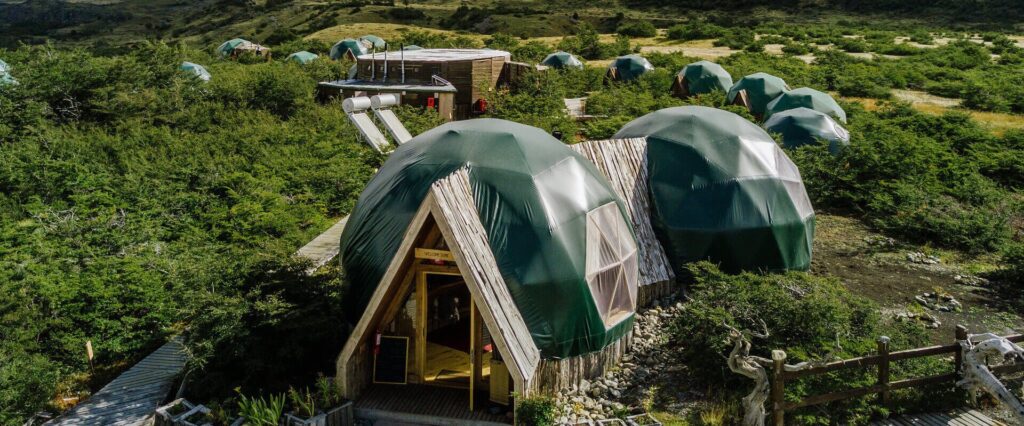
EcoCamp Patagonia is one of the world’s first sustainable dome hotels located inside Torres del Paine National Park. Built with renewable energy systems, composting toilets, and local materials, it provides a luxury camping experience while preserving nature. Guests learn about local ecosystems, hike responsibly, and reduce their carbon footprint.
This project is a leading example of eco-lodging, blending comfort and conservation. It shows how tourism can provide income while promoting environmental protection.
Estancia Cristina – Los Glaciares National Park
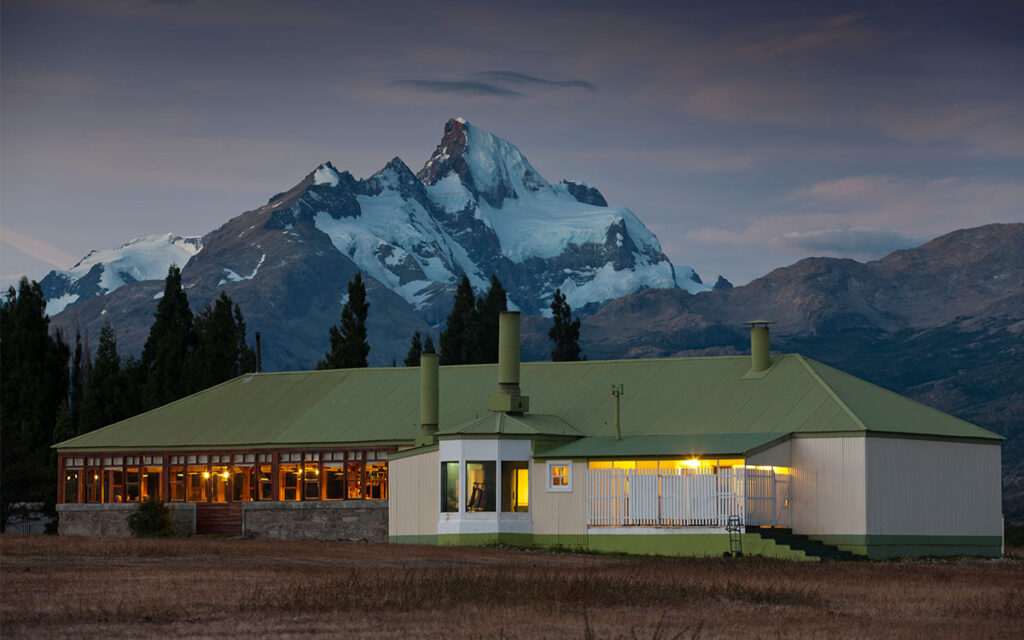
Originally a sheep ranch, Estancia Cristina has been transformed into an eco-friendly accommodation that offers educational tours, horseback riding, and glacier excursions. It integrates Patagonian heritage with sustainability, teaching visitors about traditional ranching culture and environmental stewardship.
Estancia Cristina demonstrates how old establishments can evolve into eco-tourism centers that protect heritage and nature simultaneously.
Explora Patagonia Lodge
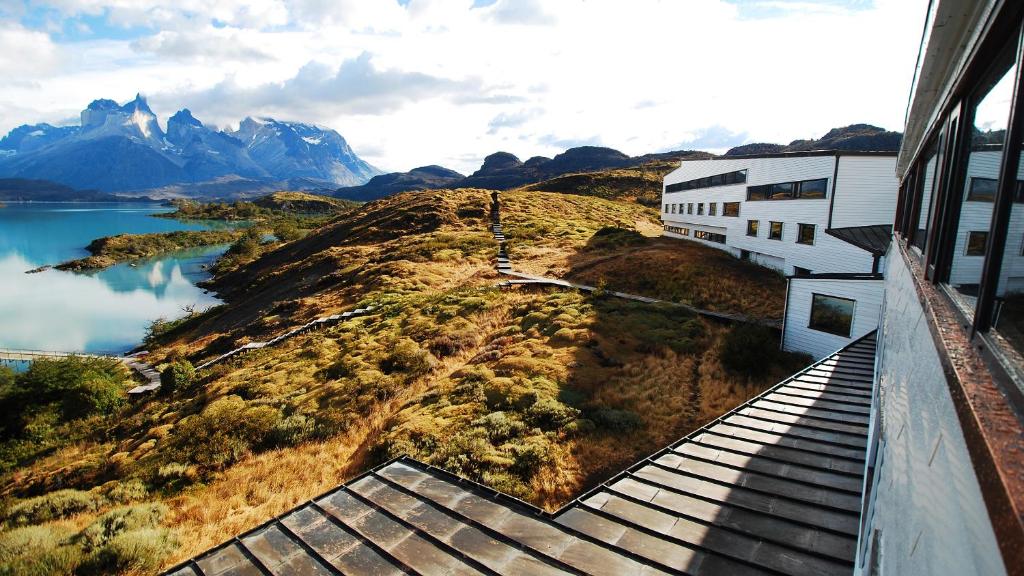
Located in Torres del Paine, Explora Patagonia offers all-inclusive eco-adventures with strict sustainability policies. From solar-powered energy to conservation partnerships, the lodge ensures minimal impact. Their guided expeditions are designed to educate tourists about conservation challenges in Patagonia.
Explora proves that luxury tourism can also prioritize environmental responsibility without sacrificing comfort.
Benefits of Patagonia Ecotourism
Conservation of Natural Resources
Ecotourism directs funds to conservation programs, protecting glaciers, forests, and wildlife habitats. Visitor fees and eco-lodge revenues go toward park maintenance, reforestation, and wildlife monitoring.
Community Empowerment
Local communities, including indigenous groups, benefit from eco-tourism through jobs as guides, lodge staff, and cultural educators. This economic model ensures that profits stay within the community while preserving cultural identity.
Climate Change Awareness
Patagonia ecotourism fosters awareness about global warming, particularly through glacier expeditions. Visitors leave with a stronger understanding of environmental issues, often becoming advocates for sustainability in their own countries.
Use Cases of Ecotourism in Patagonia
Preserving Endangered Species
Guided eco-safaris help monitor endangered species like the huemul deer and puma. Without ecotourism funding, these monitoring projects would struggle to survive.
Revitalizing Indigenous Culture
Ecotourism integrates cultural exchange programs where travelers learn about Mapuche and Tehuelche traditions. This not only educates tourists but also revives endangered traditions.
Promoting Renewable Energy in Tourism
Eco-lodges powered by solar, wind, or hydro energy showcase how tourism can adopt renewable energy models. These facilities inspire global hotels to adopt similar green practices.
FAQs about Patagonia Ecotourism
1. What makes Patagonia ideal for ecotourism?
Patagonia’s vast landscapes, biodiversity, and strong conservation programs make it one of the top global destinations for sustainable travel.
2. Is ecotourism in Patagonia affordable?
Prices vary, but eco-lodges and guided tours often come at a premium due to their sustainability measures. However, the investment supports both nature and communities.
3. When is the best time to visit Patagonia for ecotourism?
The peak season is from October to April (spring and summer in the Southern Hemisphere). This period offers accessible trails, wildlife activity, and milder weather for outdoor exploration.