Extreme Adventure Holidays Ultimate Guide to Thrilling Experiences and Life-Changing Journeys
Extreme adventure holidays are travel experiences designed to push personal limits, provide high-adrenaline thrills, and immerse travelers in challenging environments. Unlike conventional vacations, these holidays combine physical, mental, and emotional engagement, offering transformative experiences that are both exciting and memorable.
These types of holidays are ideal for thrill-seekers and explorers looking to experience life at its most intense. From skydiving over breathtaking landscapes to trekking remote mountains or navigating wild rivers, extreme adventure holidays test skills, endurance, and courage while providing unforgettable memories.
Key Characteristics of Extreme Adventure Holidays
Extreme adventure holidays share several defining features. They are often high-risk and physically demanding, requiring preparation, proper gear, and sometimes prior training. Participants must navigate unpredictable environments such as mountains, rivers, forests, glaciers, or deserts.
These holidays emphasize immersive experiences and personal challenge. Travelers are encouraged to engage with the environment actively, learn new skills, and manage risks responsibly. Professional guidance and safety measures are essential to ensure enjoyment without compromising security.
Real-World Examples of Extreme Adventure Holidays
Example 1: Whitewater Rafting in the Colorado River
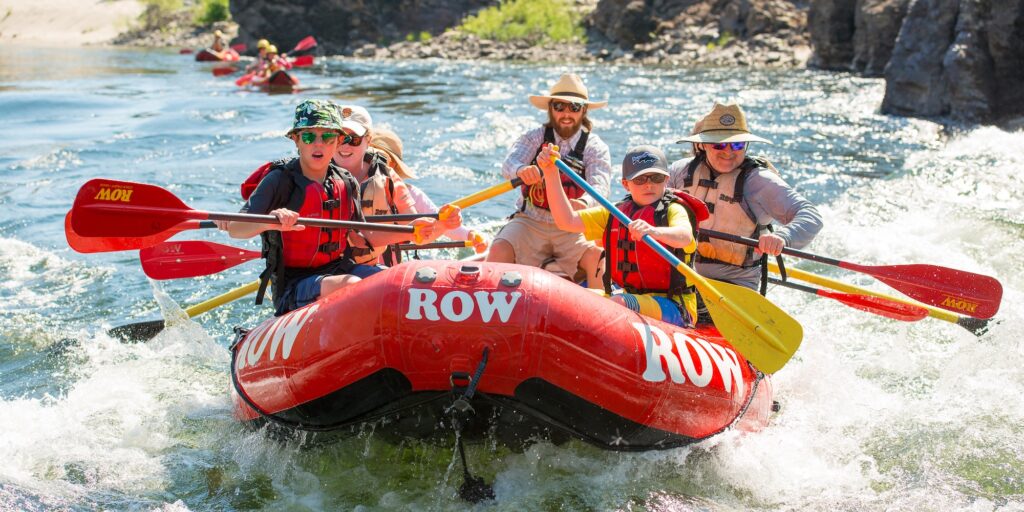
Whitewater rafting on the Colorado River offers a thrilling water adventure. Participants experience class IV and V rapids, navigating turbulent waters with a team and trained guides. This extreme adventure tests coordination, teamwork, and quick decision-making.
Besides the adrenaline rush, rafting provides an immersive connection to nature. Travelers witness the grandeur of the Grand Canyon, observe wildlife, and develop confidence in handling dynamic, high-pressure situations.
Example 2: Trekking to Everest Base Camp

Trekking to Everest Base Camp combines physical exertion with awe-inspiring landscapes. Travelers ascend high-altitude trails, experiencing thin air, unpredictable weather, and challenging terrains. This extreme adventure develops stamina, resilience, and mental focus.
The journey also provides cultural immersion, as trekkers encounter Sherpa communities, monasteries, and traditional lifestyles along the trail. It’s a holistic experience that blends adventure, personal growth, and environmental appreciation.
Example 3: Skydiving over Dubai
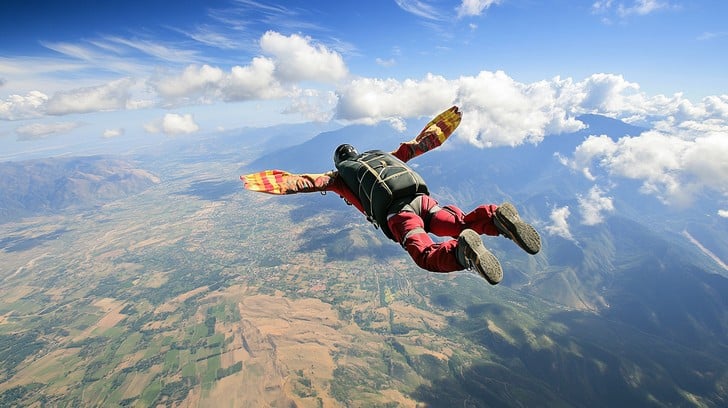
Skydiving over Dubai provides an intense, high-adrenaline experience with panoramic city and desert views. Jumpers exit an aircraft from thousands of feet in the air, free-fall, and then glide safely under a parachute.
This adventure develops courage, risk management, and mental presence. Skydiving also offers a unique perspective of landscapes and urban areas, combining thrill with breathtaking visual experiences that are rarely accessible otherwise.
Example 4: Jungle Survival in the Amazon
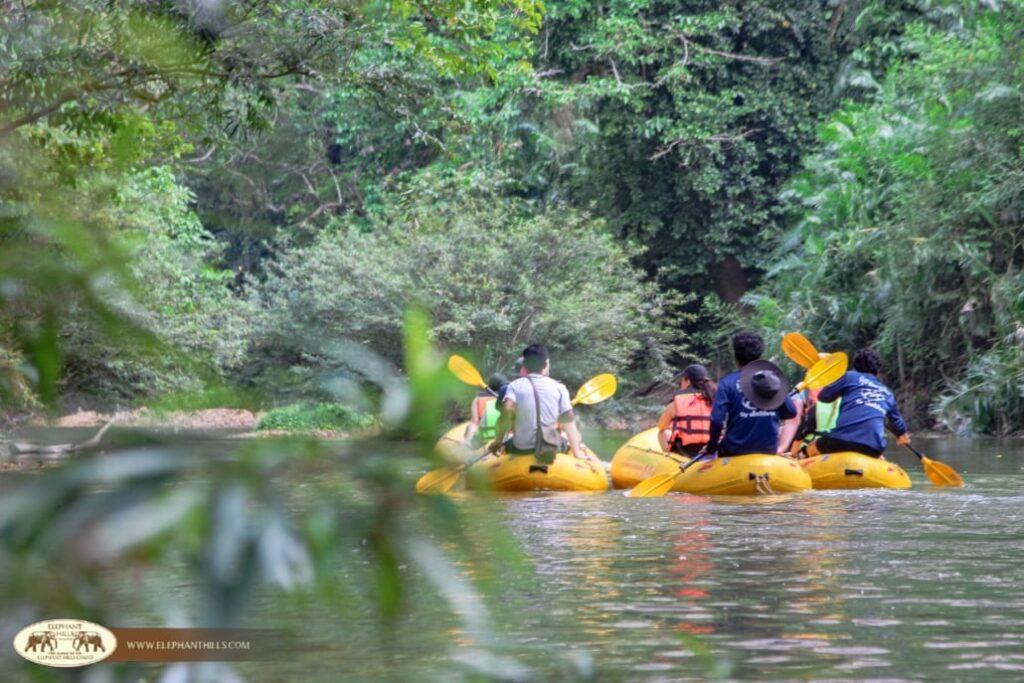
Extreme adventure holidays in the Amazon rainforest include survival skills, trekking, and interaction with remote ecosystems. Participants learn to navigate dense jungles, identify edible plants, and build shelter.
This experience enhances problem-solving, adaptability, and environmental awareness. It also fosters a profound connection with nature, emphasizing the importance of conservation and resilience in challenging environments.
Example 5: Sandboarding in the Sahara Desert
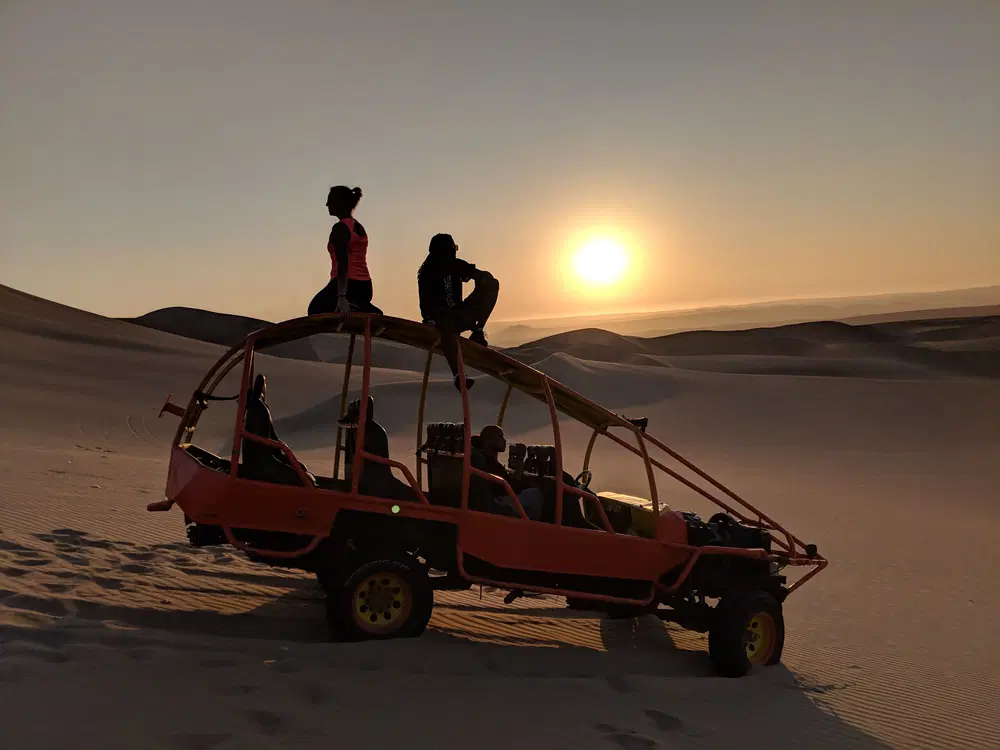
Sandboarding in the Sahara Desert is an extreme sport on vast dunes. Participants ride boards down steep slopes, mastering balance and control while facing intense sun and heat conditions.
Beyond the thrill, this adventure develops coordination, endurance, and focus. The remote desert environment offers unique scenery and a sense of isolation, enhancing the overall adventurous experience.
Benefits of Extreme Adventure Holidays
Extreme adventure holidays provide numerous physical, mental, and social benefits. Physically, they improve strength, stamina, and coordination. Mentally, they cultivate resilience, self-confidence, and the ability to manage fear and uncertainty.
Socially, these adventures promote teamwork, communication, and bonding among participants. They also create memorable experiences that leave a lasting impact, often inspiring lifestyle changes and a new appreciation for personal capabilities and the natural world.
Technology and Safety in Extreme Adventure Holidays
Technology plays a critical role in ensuring safety during extreme adventure holidays. GPS devices, communication tools, and specialized equipment help participants navigate and manage risks effectively. Weather monitoring and emergency planning further enhance safety.
Guided instruction, professional support, and strict adherence to safety protocols allow travelers to engage in extreme adventures with confidence. Technology ensures that thrill is maximized while risks are minimized, making these holidays both exhilarating and secure.
Practical Use Cases of Extreme Adventure Holidays
Personal development: Extreme adventure holidays challenge comfort zones, enhance mental resilience, and build self-confidence.
Corporate team-building: These holidays provide unique environments for leadership development, collaboration, and problem-solving exercises.
Educational expeditions: Extreme adventure holidays support learning about ecosystems, survival skills, and cultural immersion in challenging environments.
Frequently Asked Questions
1. Are extreme adventure holidays suitable for beginners?
Yes, many extreme adventure holidays offer beginner-friendly options with professional guidance. Preparation, physical readiness, and proper safety measures are essential for a successful experience.
2. How should I prepare physically and mentally?
Preparation involves fitness training, skill development, research about the destination, and mental readiness for high-adrenaline activities. Understanding risks and using the correct equipment is vital.
3. What safety measures are typically implemented?
Safety measures include professional guides, specialized gear, emergency protocols, risk assessment, and sometimes technology such as GPS and communication devices to manage unexpected situations.