Extreme Expeditions Ultimate Guide to High-Adrenaline Explorations and Life-Changing Journeys
Extreme expeditions are specialized travel experiences designed for thrill-seekers and explorers who wish to venture into challenging, remote, and high-risk environments. These journeys often push physical, mental, and emotional boundaries while providing unique opportunities for personal growth and adventure.
Unlike standard vacations, extreme expeditions combine adventure tourism with exploration, focusing on activities such as mountaineering, polar exploration, deep-sea diving, and long-distance trekking. Participants engage directly with nature, often in harsh or unpredictable conditions, which enhances both the thrill and the transformative impact of the experience.
Key Features of Extreme Expeditions
Extreme expeditions typically share several core characteristics. They are physically demanding, require meticulous preparation, and involve elements of risk. Travelers often confront unpredictable weather, challenging landscapes, and remote locations with limited access to facilities or medical assistance.
These expeditions are immersive, encouraging participants to actively interact with the environment, develop survival skills, and make critical decisions under pressure. Guided support and proper equipment are essential for both safety and maximizing the adventure experience.
Real-World Examples of Extreme Expeditions
Example 1: Antarctic Polar Expedition
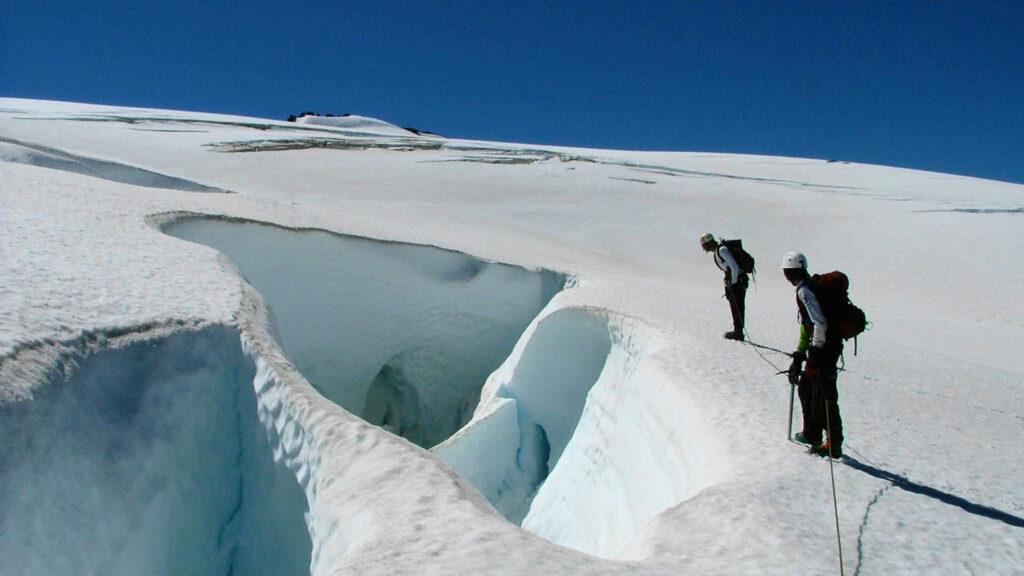
Antarctic expeditions involve crossing frozen landscapes under extreme cold, high winds, and isolated conditions. Participants may travel by foot, ski, or specialized vehicles, confronting harsh terrains and extreme temperatures.
This expedition challenges endurance, navigation skills, and mental resilience. Travelers gain a unique perspective on fragile polar ecosystems, learn survival techniques, and experience one of the most remote places on Earth, combining adventure with education on climate and environment.
Example 2: Mount Everest Summit Expedition

Climbing Mount Everest is among the most renowned extreme expeditions. It requires months of physical training, acclimatization, and technical climbing skills. Participants navigate high altitudes, glaciers, icefalls, and extreme weather conditions.
This expedition cultivates discipline, teamwork, and mental fortitude. Climbers also develop profound respect for nature, local culture, and the inherent risks of extreme environments, making it both physically challenging and personally transformative.
Example 3: Amazon Jungle Survival Expedition

Extreme expeditions in the Amazon rainforest combine trekking, survival, and environmental exploration. Participants learn to navigate dense jungle terrain, identify edible plants, and build shelter while facing unpredictable wildlife and weather conditions.
The expedition strengthens problem-solving, adaptability, and environmental awareness. It immerses travelers in unique ecosystems, providing an educational experience alongside physical and mental challenges.
Example 4: Sahara Desert Crossing Expedition

Crossing the Sahara Desert is an extreme expedition involving intense heat, vast dunes, and limited water sources. Participants must develop endurance, navigation, and survival skills to traverse the harsh desert environment safely.
This expedition fosters resilience, strategic planning, and self-reliance. It also offers awe-inspiring landscapes and a unique sense of isolation, making the journey both physically demanding and deeply rewarding.
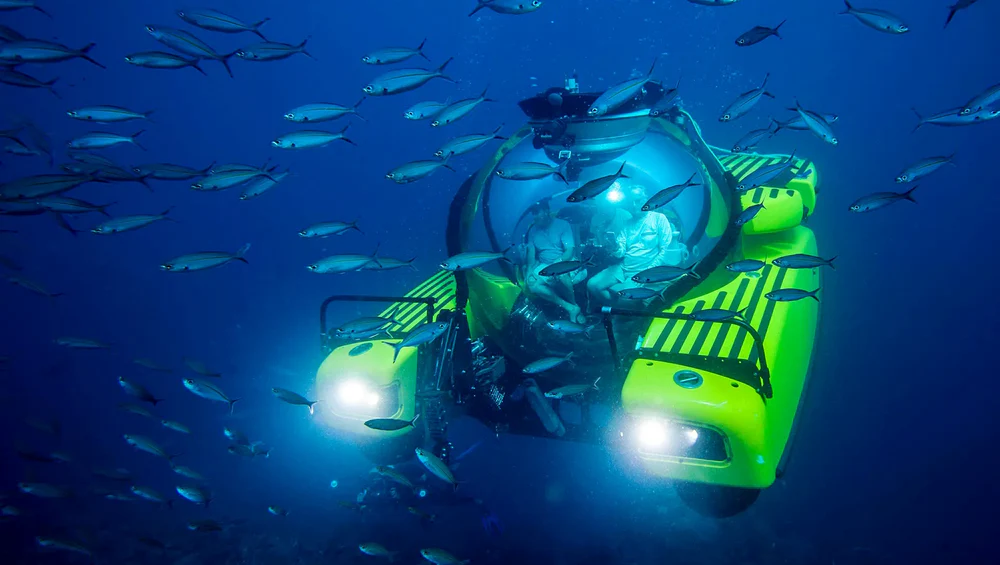
Example 5: Deep-Sea Submarine Exploration Expedition
Extreme underwater expeditions in submarines allow participants to explore deep-sea ecosystems, shipwrecks, and geological formations. These expeditions require careful planning, technical knowledge, and adherence to safety protocols in high-pressure environments.
Travelers gain a rare perspective of unexplored ocean habitats and develop an appreciation for marine biodiversity. The expedition also provides an unparalleled adventure experience combining technology, exploration, and personal challenge.
Benefits of Extreme Expeditions
Extreme expeditions offer extensive benefits. Physically, they enhance strength, endurance, and coordination. Mentally, they improve problem-solving, adaptability, resilience, and confidence in handling high-stress situations.
Socially, extreme expeditions foster teamwork, collaboration, and communication, especially in challenging environments. They also provide unique memories and transformative experiences that often inspire personal growth, lifestyle changes, and a deeper appreciation for nature and adventure.
Technology in Extreme Expeditions
Technology is critical in extreme expeditions to enhance safety and efficiency. Tools such as GPS devices, communication equipment, weather monitoring systems, and specialized gear allow participants to navigate challenging terrains, monitor conditions, and respond to emergencies effectively.
Advanced equipment ensures that adventurers can maximize their experiences while minimizing risks. Technology integration also allows for better documentation, environmental monitoring, and skill development, enhancing the overall expedition experience.
Practical Use Cases of Extreme Expeditions
Personal development: Extreme expeditions challenge individuals physically and mentally, promoting confidence, resilience, and self-awareness.
Corporate training and team-building: Expeditions provide a controlled environment for leadership exercises, collaboration, and problem-solving under pressure.
Educational and scientific research: Expeditions offer opportunities for ecological studies, climate research, and cultural immersion in remote locations.
Adventure tourism: Travelers seeking unique, high-adrenaline experiences can enjoy unforgettable journeys while developing practical survival and navigation skills.
Frequently Asked Questions
1. Are extreme expeditions suitable for beginners?
Yes, many extreme expeditions offer beginner-friendly options with expert guidance. Adequate preparation, physical fitness, and adherence to safety protocols are essential.
2. How can I prepare for an extreme expedition?
Preparation involves physical conditioning, skill development, mental readiness, equipment familiarization, and understanding the specific risks of the destination.
3. What safety measures are typically in place?
Expeditions implement professional guides, emergency protocols, GPS and communication tools, specialized gear, and risk assessments to ensure participant safety while maintaining the adventure experience.