Extreme Travel Adventures Pushing the Limits of Exploration
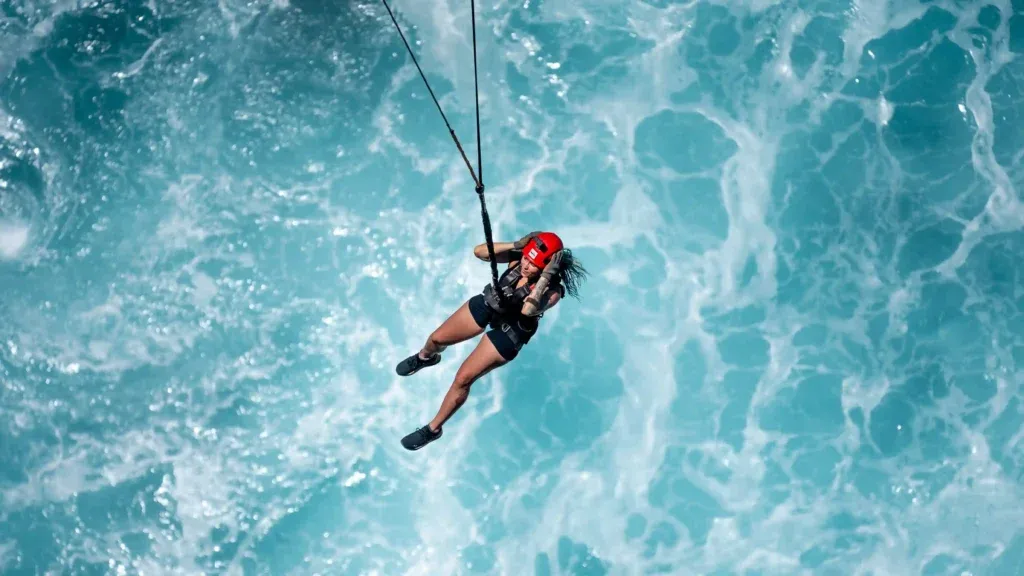
Extreme travel adventures are designed for thrill-seekers and explorers who crave high-adrenaline experiences combined with immersive travel. These adventures take travelers to some of the most remote, challenging, and visually stunning locations on Earth. Activities range from mountaineering and deep-sea diving to desert safaris and jungle treks, providing both physical challenge and personal growth.
Unlike conventional vacations, extreme travel adventures emphasize risk management, skill development, and connection with nature. Participants engage in physically demanding activities while also learning navigation, survival, and situational awareness. These experiences offer a balance of excitement, education, and mental stimulation.
What Makes Extreme Travel Adventures Unique
Extreme travel adventures stand out due to their integration of extreme physical activity, challenging environments, and immersive cultural experiences. Each trip is carefully planned to ensure safety while offering maximum thrill, giving participants an experience they cannot replicate through ordinary tourism.
Flexibility is another key aspect. Activities can be tailored to different skill levels, from beginner-friendly trekking and kayaking to advanced skydiving, heli-skiing, or deep-cave exploration. This ensures that everyone, regardless of experience, can participate safely while still enjoying the extreme adventure.
Additionally, extreme travel adventures often combine technological support and environmental awareness. GPS-guided routes, emergency communication devices, and eco-friendly practices are frequently incorporated, enhancing both safety and sustainability.
Real-World Examples and Experiences
-
White-Water Rafting Expeditions
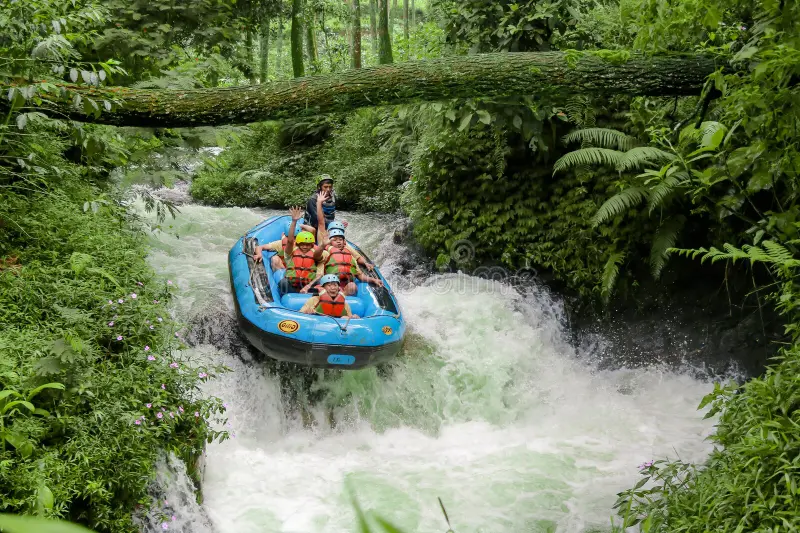
Navigating rapids in rivers of varying difficulty offers both excitement and team-building opportunities. Participants develop coordination, trust, and quick decision-making skills.
White-water rafting also exposes travelers to pristine environments that are often inaccessible otherwise. The combination of adrenaline, scenic beauty, and teamwork makes it a classic example of extreme travel adventure.
-
High-Altitude Mountaineering
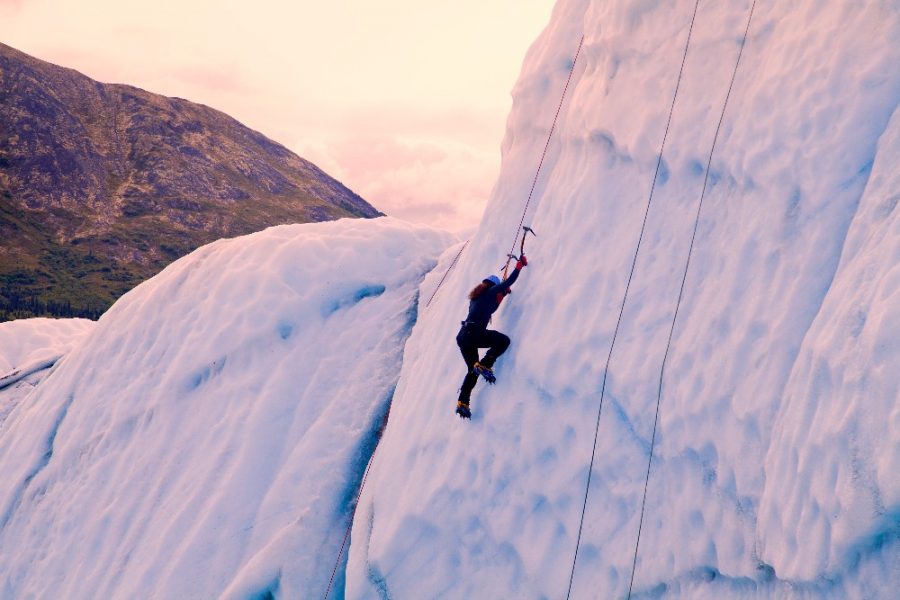
Climbing peaks in remote mountain ranges challenges both body and mind. Participants must navigate rugged terrain, adapt to high altitudes, and solve logistical and technical problems in real-time.
Mountaineering fosters perseverance, strategic thinking, and resilience. Reaching summits provides an unparalleled sense of accomplishment and allows travelers to connect deeply with nature.
-
Remote Safari Expeditions
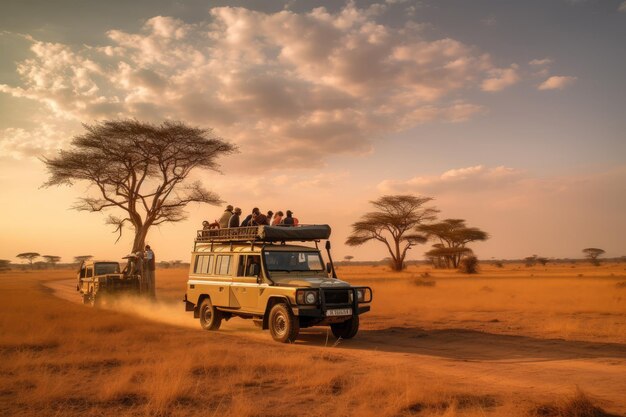
Safaris in untouched wilderness areas provide encounters with wildlife and ecosystems that are rarely accessible to ordinary travelers. Off-road driving, trekking, or canoeing adds an extra layer of adventure.
Safaris promote understanding of conservation, biodiversity, and wildlife behavior. Travelers gain both adrenaline and educational insight, making these experiences enriching and memorable.
-
Aerial Adventures and Skydiving
Skydiving, paragliding, and wingsuit flights offer unmatched adrenaline and panoramic perspectives. Participants experience a unique combination of thrill, focus, and exhilaration.
These activities enhance courage, spatial awareness, and mental focus. They also provide breathtaking views and a sense of freedom that is impossible to achieve through traditional travel methods.
-
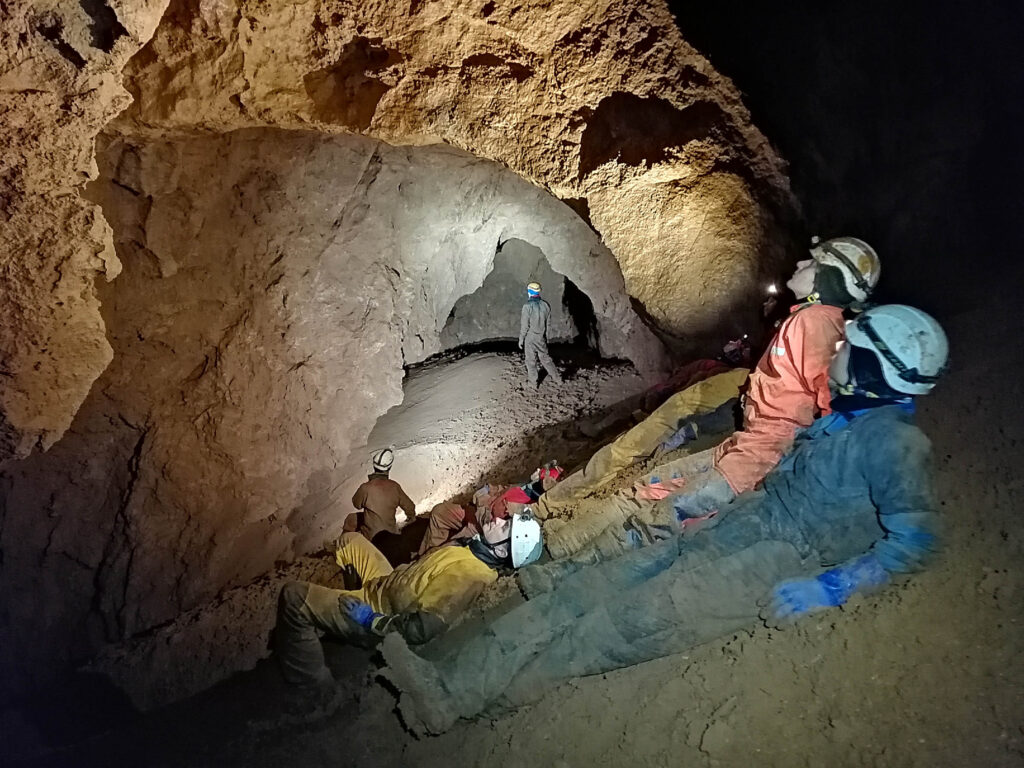
Caving and Underground Exploration
Exploring caves challenges navigation, physical agility, and teamwork. Participants traverse narrow passages, rappel into caverns, and discover hidden geological formations.
Caving also educates travelers on subterranean ecosystems and geology. The combination of mystery, skill-building, and adventure makes it a highly rewarding experience.
Benefits of Extreme Travel Adventures
Physical Fitness and Mental Stimulation
Extreme activities like rafting, mountaineering, and skydiving enhance strength, endurance, coordination, and focus. They also encourage problem-solving, risk assessment, and resilience.
Environmental Awareness and Education
Travellers learn about ecosystems, wildlife, and local cultures. Immersion in remote areas fosters appreciation for natural preservation and sustainability.
Teamwork and Social Development
Group-based challenges enhance communication, trust, and collaboration. Skills developed in extreme environments are transferable to professional and personal contexts.
Personal Growth and Confidence
Facing challenging scenarios boosts self-confidence, adaptability, and mental resilience. These experiences also encourage goal-setting and determination.
Practical Use Cases
-
Adventure Tourism: Agencies can offer curated extreme travel adventures to attract thrill-seekers seeking unique, immersive experiences.
-
Corporate Team-Building: Extreme adventures help develop leadership, decision-making, and collaboration in high-pressure environments.
-
Youth and Educational Programs: Schools and youth groups can integrate adventures for experiential learning, skill development, and environmental education.
-
Personal Development: Individuals seeking challenges, confidence, and resilience benefit from well-structured extreme travel experiences.
Tips for Maximizing Extreme Travel Adventures
-
Match Activities to Skill Levels: Ensure safety and enjoyment by choosing adventures suited to your experience.
-
Prioritize Safety Gear: Use proper equipment and follow expert instructions at all times.
-
Engage with Guides and Locals: Learn about local ecosystems, culture, and history to enrich the experience.
-
Document Experiences Responsibly: Capture memories while respecting nature and local regulations.
-
Balance Adventure and Recovery: Include rest periods to maintain energy and prevent burnout during intensive activities.
FAQs
1. Are extreme travel adventures suitable for beginners?
Yes, many programs provide guided support and adjustable difficulty levels to ensure beginners can participate safely.
2. How long do extreme travel adventure vacations last?
Trips can range from multi-day expeditions to week-long immersive experiences, depending on the activities and destinations.
3. What safety measures are in place for extreme travel adventures?
Professional guides, high-quality equipment, risk assessments, and emergency protocols ensure safety across all activities.