Extreme Sport Travel Combining Adventure and Exploration
Extreme sport travel is a specialized form of adventure tourism that focuses on high-adrenaline sports in diverse locations worldwide. This includes activities like skydiving, heli-skiing, white-water rafting, mountain biking, and surfing in extreme conditions. Unlike regular adventure travel, extreme sport travel emphasizes skill development, physical challenge, and mental resilience while exploring new environments.
These experiences offer more than just thrills; they allow participants to engage with nature, culture, and communities in unique ways. Travelers learn risk management, adaptability, and teamwork while pushing their limits in controlled, yet challenging settings. Extreme sport travel blends excitement, education, and personal growth into one comprehensive experience.
What Makes Extreme Sport Travel Unique
Extreme sport travel is distinguished by its combination of adrenaline, skill, and immersive locations. Participants often travel to remote or challenging environments that require both physical preparedness and mental focus. Activities are designed to maximize excitement while maintaining safety through professional guidance, specialized equipment, and risk assessments.
Flexibility is also key. Extreme sport travel caters to all skill levels, from beginners participating in guided rafting trips to experts taking on high-altitude mountaineering or wingsuit flying. Furthermore, modern technology such as GPS mapping, drone footage, and safety sensors enhances both the experience and security of these trips.
These adventures also integrate environmental education and cultural exposure, allowing participants to gain awareness about local ecosystems, wildlife, and traditions while engaging in thrilling activities.
Real-World Examples and Experiences
-
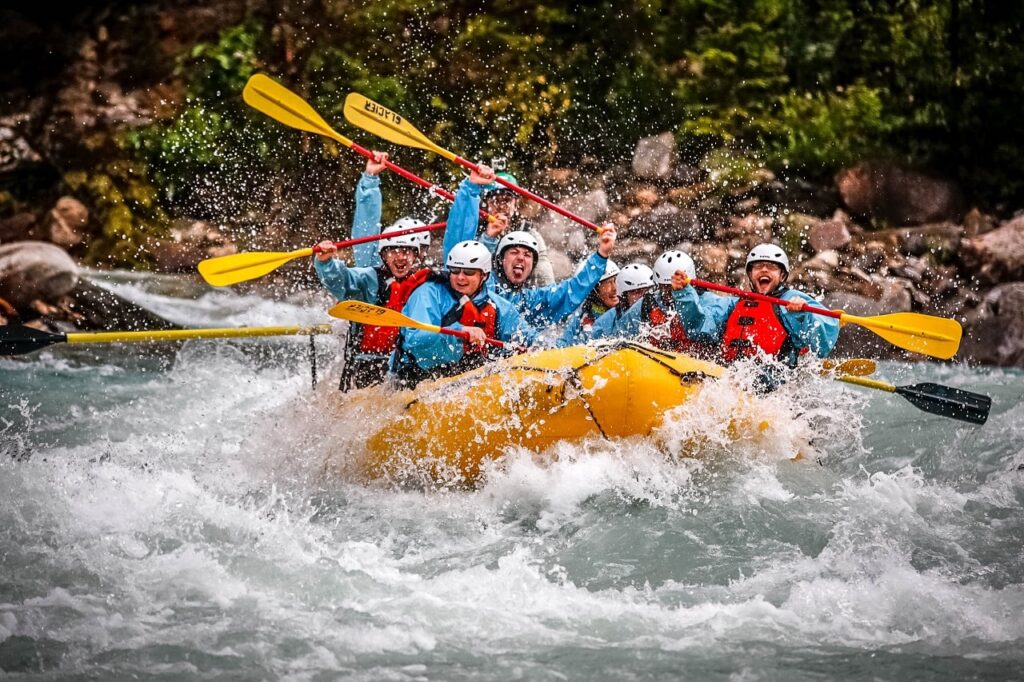
White-Water Rafting Adventures
Navigating rivers with rapids of varying intensity provides excitement, teamwork, and problem-solving opportunities. Participants must coordinate paddling, communicate effectively, and respond quickly to changing water conditions.
This activity also exposes travelers to natural landscapes rarely seen by ordinary tourists. White-water rafting is a classic extreme sport travel activity because it combines adrenaline, skill development, and environmental appreciation in one experience.
-
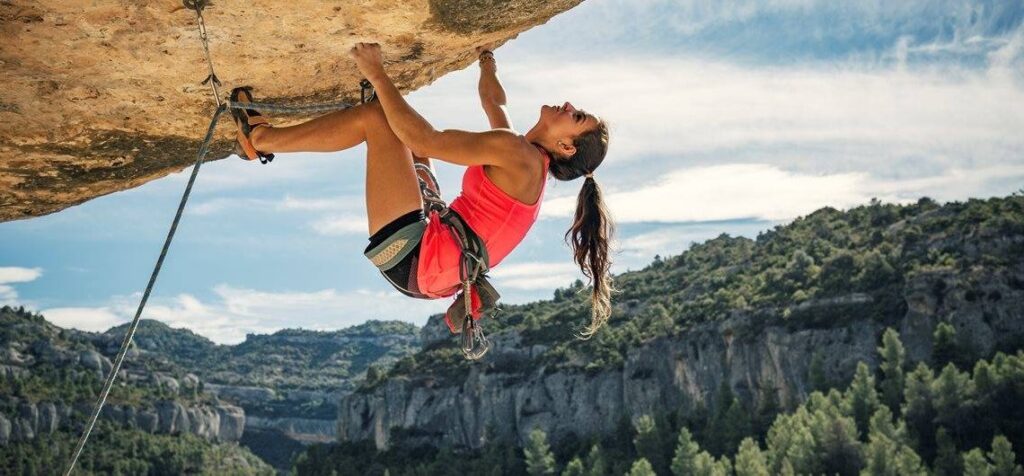
High-Altitude Mountaineering
Climbing remote peaks challenges strength, endurance, and mental focus. Travelers navigate rugged terrain, handle altitude changes, and rely on both technical skills and careful planning.
Mountaineering builds resilience, problem-solving skills, and self-confidence. The sense of achievement at reaching summits and the breathtaking views are central to the extreme sport travel experience.
-
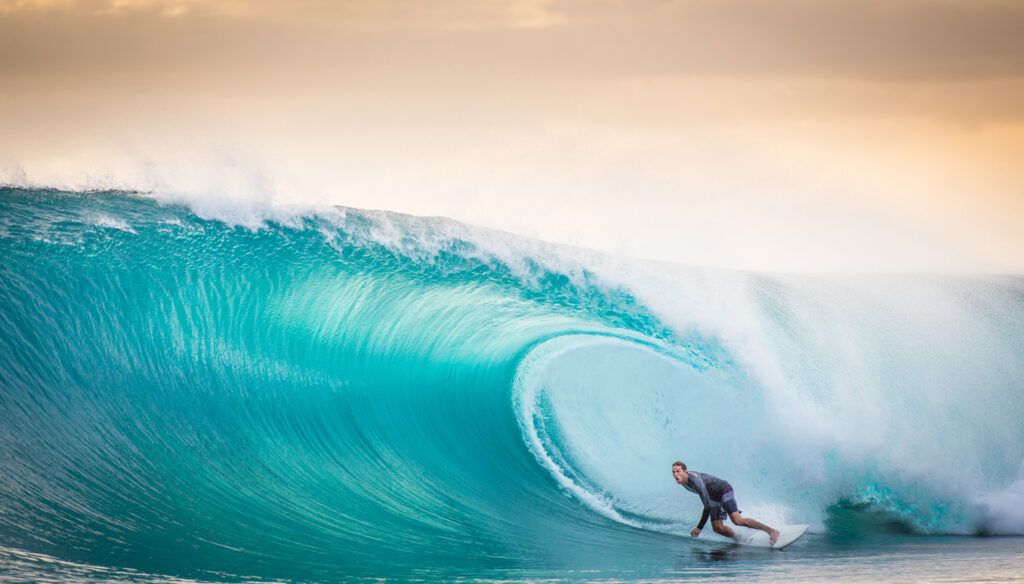
Big-Wave Surfing
Surfing massive waves requires balance, precision, and mental fortitude. Extreme sport travelers often seek renowned surf spots with consistent, challenging swells.
Big-wave surfing teaches risk assessment, timing, and adaptability. It also provides a deep connection with the ocean environment and requires physical fitness, making it both thrilling and skill-enhancing.
-
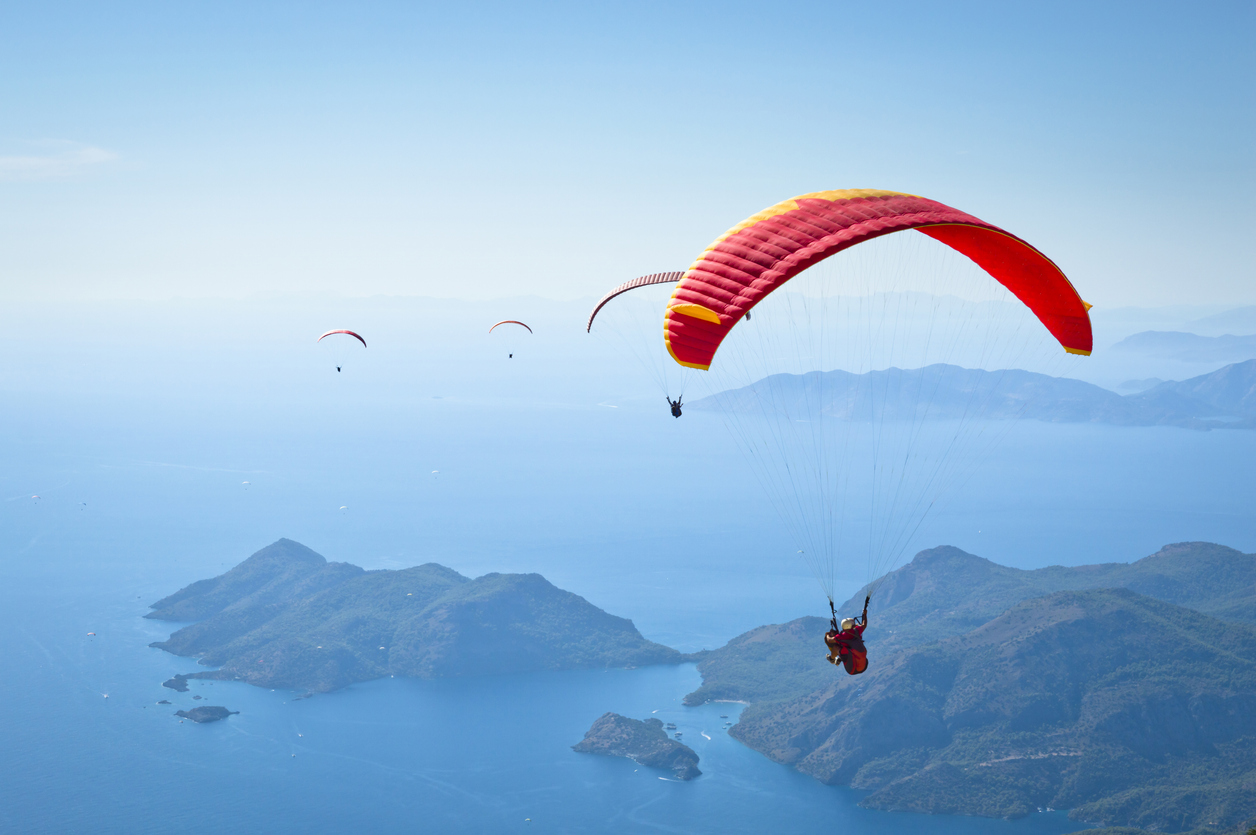
Paragliding and Aerial Sports
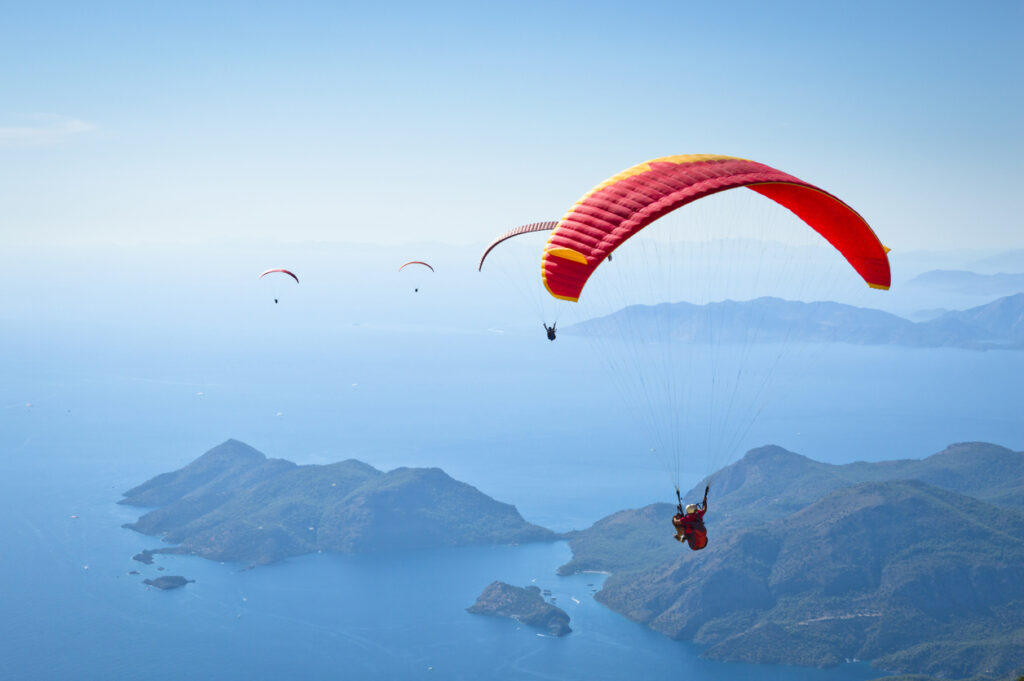
Paragliding, skydiving, and wingsuit flying offer adrenaline rushes and panoramic aerial perspectives. Participants experience controlled freefall and flight in scenic locations.
Aerial sports promote courage, focus, and spatial awareness. They also give travelers unique visual experiences of landscapes inaccessible by land or sea, combining thrill with aesthetic appreciation.
-
Caving and Underground Exploration
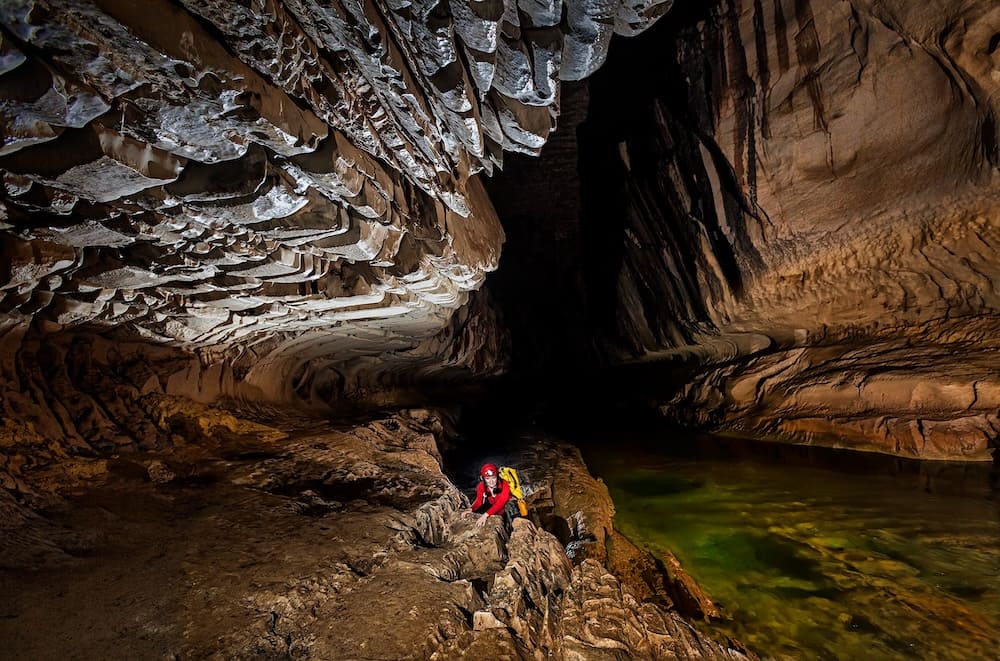
Exploring caves challenges navigation, agility, and teamwork. Travelers rappel, climb, and traverse narrow passages while observing unique geological formations.
Caving enhances problem-solving, coordination, and trust among participants. It also introduces travelers to subterranean ecosystems, combining education with adventure in extreme environments.
Benefits of Extreme Sport Travel
Physical and Mental Development
Extreme sports activities improve strength, endurance, coordination, and mental acuity. They encourage resilience, adaptability, and focus under pressure.
Environmental Awareness and Learning
Engagement with remote locations, wildlife, and ecosystems fosters environmental stewardship. Travelers gain knowledge about local conservation efforts and the impact of human activity on nature.
Social Skills and Teamwork
Many extreme sports are group-based, improving communication, leadership, and collaboration. These skills are applicable in personal and professional life.
Confidence and Personal Growth
Facing challenging and sometimes intimidating conditions develops self-confidence, problem-solving abilities, and a sense of achievement that enhances personal growth.
Practical Use Cases
-
Adventure Tourism: Travel companies offer curated extreme sport experiences to attract thrill-seekers seeking unique and challenging vacations.
-
Corporate Retreats: Organizations use extreme sport activities for leadership training, team-building, and fostering resilience among employees.
-
Youth and Educational Programs: Schools and youth groups integrate extreme sports to teach problem-solving, teamwork, and risk assessment.
-
Personal Development: Individuals seeking to improve physical fitness, mental resilience, and confidence benefit from structured extreme sport travel experiences.
Tips for Maximizing Extreme Sport Travel
-
Match Activities to Skill Level: Ensure safety and enjoyment by selecting challenges appropriate for experience and fitness.
-
Follow Safety Protocols: Use proper equipment and adhere to expert guidance at all times.
-
Engage with Experts and Locals: Learn about local culture, terrain, and ecosystems to enhance the experience.
-
Document Responsibly: Capture memories while respecting nature and local regulations.
-
Balance Challenge with Rest: Include recovery time to maintain energy and prevent fatigue during high-intensity activities.
FAQs
1. Can beginners participate in extreme sport travel?
Yes, most extreme sport travel programs offer guided options and adjustable difficulty levels to ensure safety and enjoyment for beginners.
2. How long do extreme sport travel experiences typically last?
Trips can range from multi-day expeditions to week-long or longer immersive experiences, depending on activities and locations.
3. What safety measures are implemented?
Professional guides, high-quality equipment, emergency protocols, and risk assessments ensure safety throughout all activities.