
Ultimate Guide to Extreme Travel Thrills, Adventures, and Life-Changing Experiences Around the World
Extreme travel is an adventurous form of tourism that combines adrenaline, risk, and immersive experiences. Unlike conventional travel, it challenges physical limits, exposes travelers to unique environments, and often involves activities such as mountaineering, white-water rafting, skydiving, or desert expeditions.
The goal of extreme travel isn’t just adrenaline; it’s about personal growth, resilience, and creating unforgettable memories. Travelers engage with nature and cultures in unconventional ways, often venturing into remote or high-risk areas under guided safety protocols.
Characteristics of Extreme Travel
Extreme travel is defined by several key characteristics. It typically involves high-risk physical activities that require preparation, skill, and endurance. The environment is often challenging, from high-altitude mountains to turbulent rivers or remote deserts.
Additionally, extreme travel is highly experiential. Participants not only seek thrills but also aim for immersive experiences that push boundaries. Safety, planning, and sometimes technology integration are crucial for minimizing risks while maximizing adventure.
Real-World Examples and Experiences
Example 1: Mount Everest Base Camp Trek
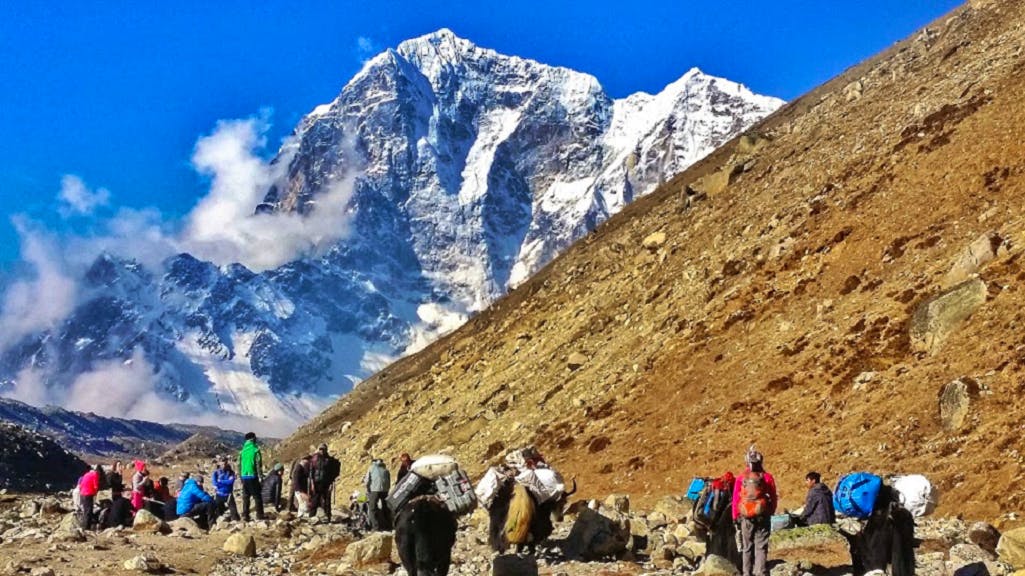
The trek to Mount Everest Base Camp is a classic example of extreme travel. It combines high-altitude trekking, physical endurance, and exposure to unpredictable weather. Travelers experience breathtaking Himalayan landscapes while navigating challenging trails.
This journey develops resilience, patience, and adaptability. It also offers a unique opportunity to engage with Sherpa culture, witness glaciers, and learn high-altitude trekking techniques under professional guidance.
Example 2: White-Water Rafting in the Colorado River
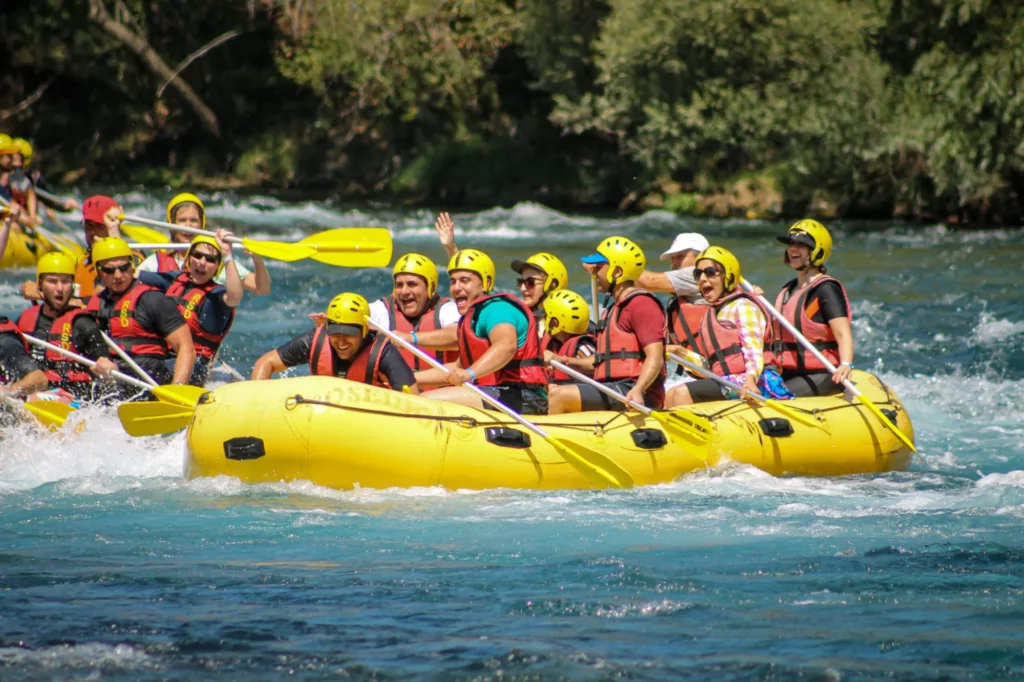
White-water rafting in the Colorado River offers an adrenaline-filled experience for adventure enthusiasts. Participants face rapid currents, rocky terrain, and dynamic water conditions. Guides provide safety instructions and strategies for maneuvering through extreme rapids.
This activity combines teamwork, quick decision-making, and physical coordination. Beyond thrills, it allows participants to connect deeply with nature, experience remote canyons, and develop confidence in navigating uncertain environments.
Example 3: Skydiving Over Interlaken, Switzerland
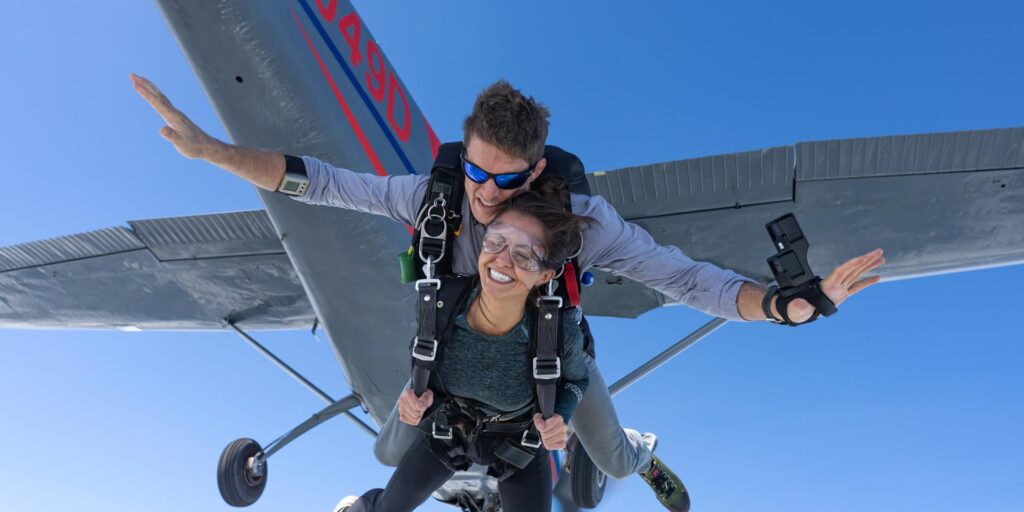
Skydiving over Interlaken exemplifies extreme travel by offering free-fall from thousands of feet above the ground. Participants experience intense adrenaline, panoramic alpine views, and the psychological challenge of facing fear.
Tandem jumps ensure safety while still providing the sensation of solo skydiving. The experience teaches courage, trust in instructors, and appreciation for the scale of natural landscapes, making it a popular choice for extreme travel seekers.
Example 4: Desert Expedition in the Sahara

Exploring the Sahara Desert involves endurance travel across harsh, arid conditions. Participants navigated dunes, managed extreme temperatures, and relied on survival skills and local knowledge.
This type of extreme travel emphasizes physical stamina, cultural engagement with local nomadic communities, and self-reliance. It’s a unique combination of thrill, education, and exposure to remote ecosystems rarely experienced by casual travelers.
Example 5: Ice Climbing in Iceland
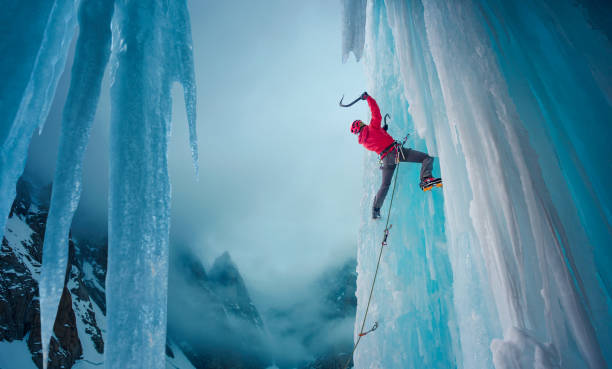
Ice climbing in Iceland presents extreme travel challenges in frozen landscapes. Climbers use specialized equipment to ascend glaciers and ice formations under professional guidance.
It tests strength, precision, and mental focus. The experience allows participants to witness pristine frozen landscapes while learning technical skills. It also enhances problem-solving and risk assessment abilities, central to extreme travel philosophy.
Benefits of Extreme Travel
Extreme travel provides a range of physical, mental, and social benefits. Physically, it promotes endurance, strength, and agility. Mentally, it enhances resilience, confidence, and the ability to manage stress and uncertainty.
Socially, extreme travel encourages teamwork, communication, and bonding with fellow adventurers. It fosters personal growth, broadens perspectives, and leaves travelers with transformative life experiences that conventional tourism rarely offers.
Technology and Safety in Extreme Travel
Modern extreme travel relies heavily on technology and safety protocols. GPS navigation, high-tech climbing gear, and weather monitoring systems ensure participants can safely navigate extreme environments.
Training simulators, emergency response equipment, and communication devices minimize risks in remote or challenging areas. Proper use of technology allows travelers to maximize adventure while maintaining a high level of safety.
Practical Use Cases
Personal development: Individuals seeking to build resilience, courage, and confidence engage in extreme travel activities.
Team-building and corporate programs: Companies utilize extreme travel experiences for fostering leadership, teamwork, and problem-solving skills.
Educational and research expeditions: Extreme travel can also support scientific research, environmental awareness, and cultural immersion by accessing remote or challenging locations.
Frequently Asked Questions
1. Is it suitable for beginners?
Extreme travel can be suitable for beginners when guided by professionals. Proper preparation, training, and choosing appropriate activities ensure safety while providing thrilling experiences.
2. How do I prepare physically for?
Preparation involves cardiovascular fitness, strength training, flexibility exercises, and, for specific activities, skill practice like climbing or paddling. Mental preparation, including stress management and decision-making skills, is equally important.
3. What are the main safety measures in
Safety measures include professional guides, specialized equipment, risk assessments, emergency planning, and adherence to local regulations. Modern technology, such as GPS, communication devices, and safety harnesses, enhances overall protection.