Ultimate Guide to Extreme Trips Thrilling Destinations, Real-Life Experiences, and Practical Benefits
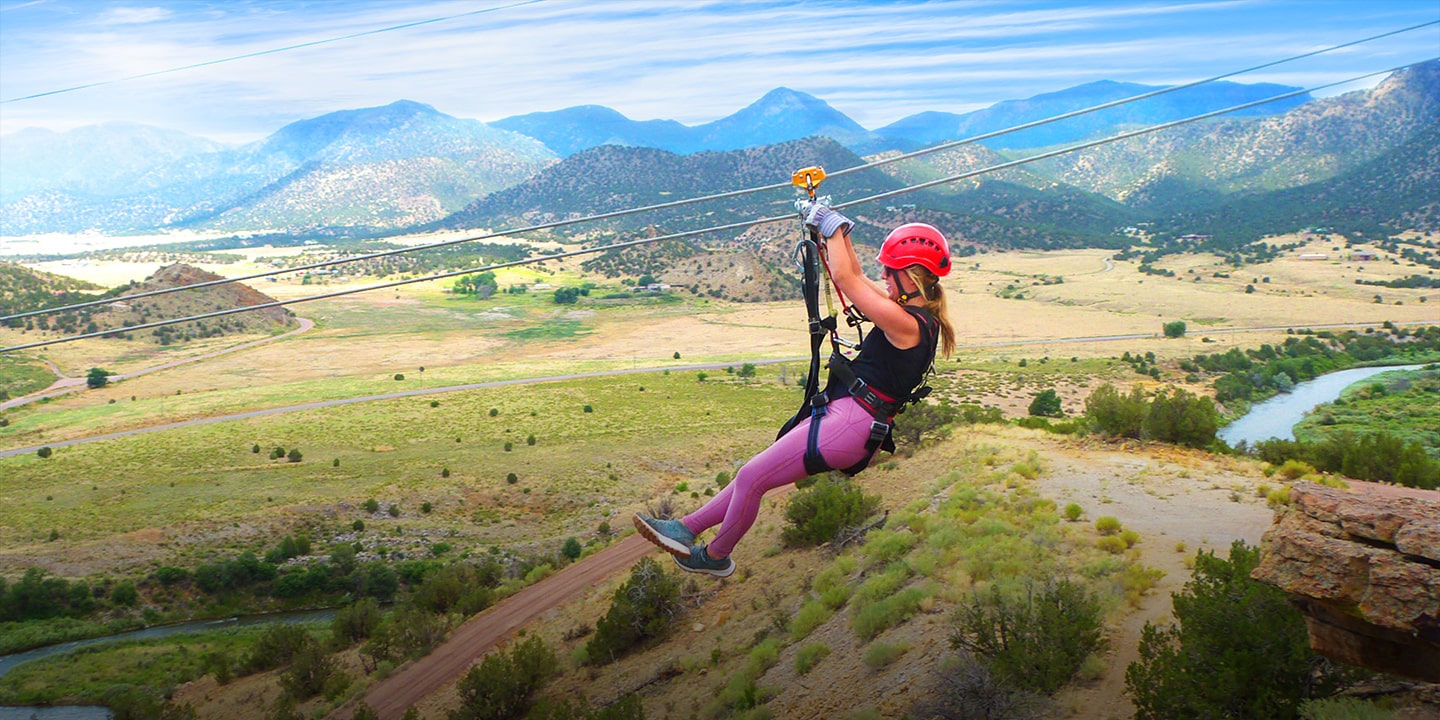
Extreme trips are specialized travel experiences designed for thrill-seekers and adventure enthusiasts. They combine high-adrenaline activities with remote or challenging destinations, such as mountain expeditions, white-water rafting, jungle trekking, desert safaris, and aerial adventures. Unlike conventional vacations, extreme trips challenge both body and mind, pushing travelers to test their limits while fostering personal growth and resilience.
These trips also promote problem-solving, adaptability, and mental toughness. Participants experience environments that demand focus, skill, and endurance, while also gaining exposure to unique landscapes and local cultures. Extreme trips merge excitement, education, and self-development into one immersive experience.
What Makes Extreme Trips Unique
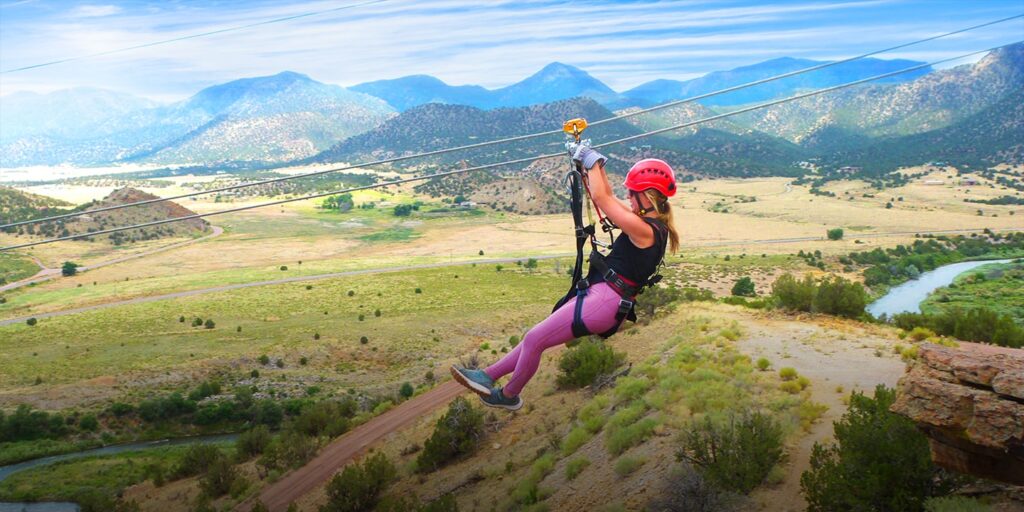
Extreme trips stand out due to their blend of thrill, adventure, and immersive experiences. Travelers often venture into remote or difficult-to-access locations, requiring preparation, technical skill, and stamina.
Flexibility is a key factor. Extreme trips can be tailored for beginners with guided options or for experts seeking advanced challenges like high-altitude climbing or wingsuit flying. Modern technology, such as GPS mapping, emergency communication, and safety monitoring, enhances both safety and convenience, allowing participants to focus fully on the adventure.
Additionally, these trips often include educational and environmental components. Travelers gain insights about ecosystems, wildlife, and local cultures, making the journey both exciting and informative.
Real-World Examples and Experiences
-
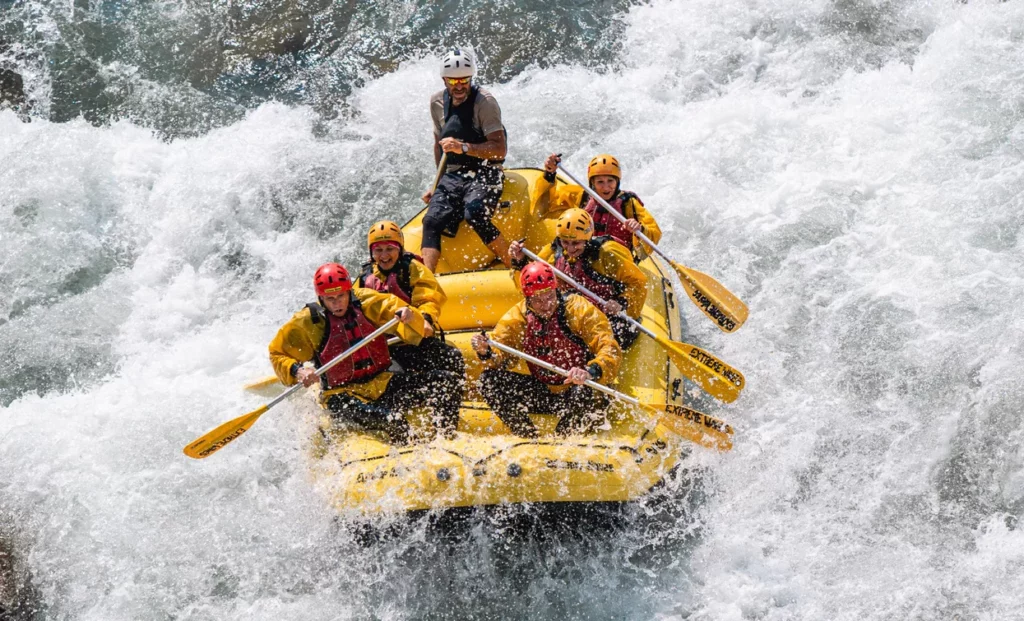
White-Water Rafting Adventures
Rafting through rivers with varying degrees of rapids provides both excitement and skill development. Participants must coordinate paddling, communicate effectively, and respond quickly to dynamic water conditions.
This activity exposes travelers to untouched natural landscapes while fostering teamwork, resilience, and decision-making skills. White-water rafting exemplifies extreme trips by combining thrill, environmental awareness, and personal growth.
-
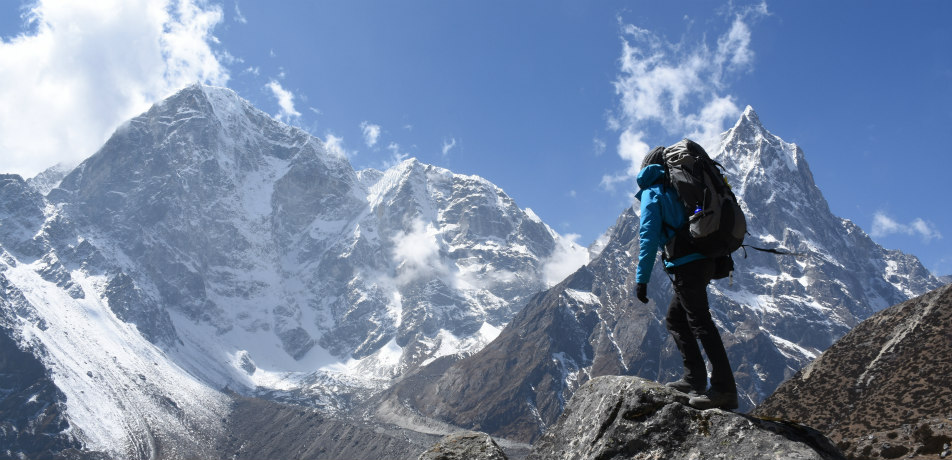
High-Altitude Mountaineering
Climbing challenging peaks tests endurance, navigation, and problem-solving. Participants handle rugged terrain, altitude variations, and technical obstacles, requiring both physical and mental preparation.
Mountaineering enhances resilience, strategic thinking, and confidence. Reaching the summit delivers a profound sense of accomplishment while offering breathtaking vistas of remote natural environments.

-
Extreme Safari Expeditions
Remote safaris allow travelers to observe wildlife in their natural habitat, often involving trekking, off-road driving, or river exploration.
These trips promote conservation awareness, environmental appreciation, and provide unique educational opportunities. Safaris combine thrill and insight, making them an ideal extreme trip for adventure seekers and nature enthusiasts.
-
Skydiving and Aerial Adventures
Aerial extreme trips, such as skydiving, paragliding, and wingsuit flying, deliver unmatched adrenaline and stunning visual perspectives. Participants experience controlled freefall or glide, creating unforgettable moments.
Aerial adventures improve courage, focus, and spatial awareness. They allow travelers to experience landscapes from unique vantage points, adding aesthetic and thrilling elements to extreme travel experiences.
-
Caving and Underground Exploration
Caving challenges navigation, coordination, and teamwork as participants traverse caverns, rappel into underground chambers, and encounter geological formations.
Caving fosters problem-solving, resilience, and trust among team members. It also provides educational insights into subterranean ecosystems, blending adventure with scientific curiosity.
Benefits of Ean Xtreme Trip
Physical Fitness and Mental Resilience
Extreme activities improve endurance, strength, coordination, and focus. Participants also develop mental resilience, risk assessment skills, and stress management abilities.
Environmental Awareness and Learning
Travelers gain knowledge about ecosystems, wildlife, and sustainable practices. Immersive exposure encourages appreciation for conservation and environmental stewardship.
Teamwork and Social Skills
Group-based activities promote communication, leadership, and collaboration. These skills are valuable both in personal and professional contexts.
Confidence and Personal Growth
Overcoming physically and mentally demanding challenges enhances self-confidence, adaptability, and a sense of achievement. Travelers return with personal development and broader perspectives on their abilities.
Practical Use Cases
-
Adventure Tourism: Agencies design curated extreme trips for thrill-seekers, providing immersive and adrenaline-fueled experiences.
-
Corporate Team-Building: Organizations utilize extreme trips to strengthen leadership, teamwork, and decision-making under pressure.
-
Educational Programs: Schools and youth groups incorporate extreme trips to teach problem-solving, collaboration, and environmental awareness.
-
Personal Development: Individuals seeking resilience, confidence, and adventure benefit from structured extreme trips tailored to their skills and goals.
Tips for Maximizing Extreme Trips
-
Match Activities to Skill Level: Choose adventures appropriate for your fitness and experience to ensure safety and enjoyment.
-
Use Proper Safety Equipment: Follow expert guidance and utilize gear designed for extreme environments.
-
Engage with Local Experts and Guides: Gain cultural and ecological insights while enhancing safety and enjoyment.
-
Document Experiences Responsibly: Capture memories while respecting regulations and natural habitats.
-
Balance Challenge with Recovery: Include rest periods to maintain energy and prevent fatigue during demanding adventures.
FAQs
1. Can beginners participate in extreme trips?
Yes, many programs offer guided options and adjustable difficulty levels to ensure beginners can safely enjoy extreme trips.
2. How long do extreme trips usually last?
Trips vary from multi-day expeditions to week-long or extended immersive experiences, depending on the destination and activities.
3. What safety measures are included in extreme trips?
Professional guides, high-quality equipment, emergency protocols, and continuous risk assessments are implemented to ensure participant safety.