Extreme Vacations Ultimate Guide to Thrilling Adventures and Life-Changing Experiences
Extreme vacations are a form of adventure travel designed to push boundaries, provide intense thrills, and immerse travelers in unique environments. Unlike typical vacations, extreme vacations involve high-adrenaline activities, often requiring physical fitness, mental focus, and a willingness to face challenges.
These vacations are not just about the thrill; they also offer personal growth, resilience, and unforgettable memories. Whether it’s scaling mountains, diving into deep waters, or exploring remote deserts, extreme vacations combine adventure, skill, and sometimes a touch of calculated risk.
Characteristics of Extreme Vacations
Extreme vacations share several distinct characteristics. They are typically high-risk and physically demanding, requiring participants to prepare thoroughly and often learn specific skills. The environments involved—mountains, rivers, jungles, or glaciers pose unique challenges that test endurance and adaptability.
Additionally, extreme vacations emphasize experiential travel. Beyond physical activity, they offer deep engagement with nature, culture, and personal limits. Safety measures, professional guidance, and sometimes technology are integral to ensuring both thrill and security.
Real-World Examples and Experiences
Example 1: Mount Kilimanjaro Climb

Climbing Mount Kilimanjaro is a classic extreme vacation. It involves trekking through multiple climate zones, from lush forests to icy peaks. Participants experience high-altitude challenges and must acclimate properly to avoid altitude sickness.
This adventure develops physical endurance, mental resilience, and problem-solving skills. It also provides a unique cultural experience, as trekkers often engage with local guides and communities while witnessing one of the most iconic mountains in the world.
Example 2: Shark Cage Diving in South Africa
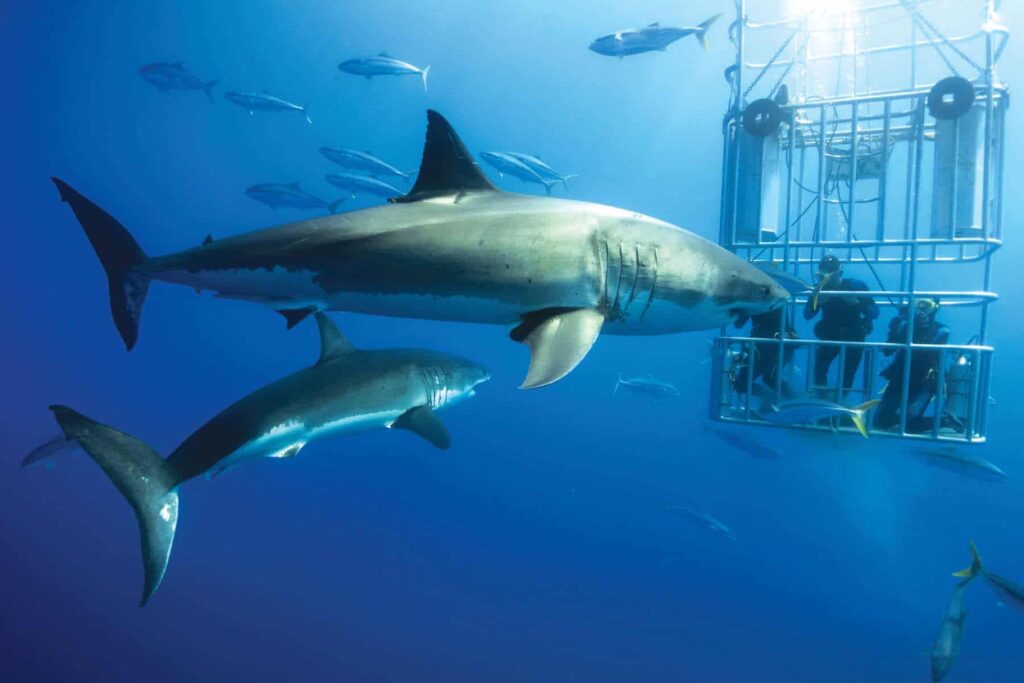
Shark cage diving off the coast of South Africa offers an adrenaline-packed encounter with one of nature’s most formidable predators. Participants remain safe inside reinforced cages while observing great white sharks in their natural habitat.
This activity enhances courage, situational awareness, and respect for wildlife. It also offers an unforgettable adventure that combines thrill with education about marine ecosystems and shark conservation efforts.
Example 3: Paragliding Over Interlaken, Switzerland

Paragliding in Interlaken combines breathtaking scenery with intense excitement. Participants launch from high points and glide over alpine valleys, rivers, and lakes, guided by certified instructors.
This extreme vacation encourages trust, risk assessment, and mindfulness in the moment. It also provides unmatched aerial perspectives, turning the adventure into a deeply immersive experience.
Example 4: Desert Safari in the Arabian Desert

Desert safaris in the Arabian Desert provide extreme adventure through dunes, off-road terrain, and high temperatures. Travelers use specialized vehicles or ride camels to explore vast desert landscapes, often accompanied by expert guides.
The experience emphasizes navigation skills, survival knowledge, and endurance. Participants gain a deep appreciation for desert ecosystems, local cultures, and the physical and mental challenges posed by extreme environments.
Example 5: Ice Climbing in Patagonia
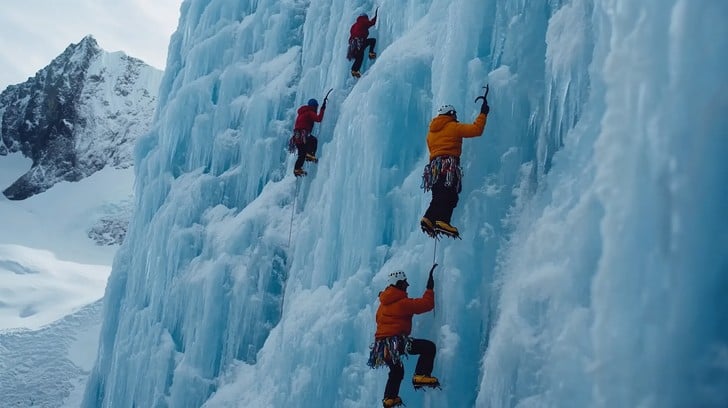
Ice climbing in Patagonia offers an extreme vacation in frozen wilderness. Climbers use specialized gear to scale glaciers and ice formations, testing strength, focus, and technical skills.
This activity highlights problem-solving under pressure, careful planning, and environmental awareness. Beyond the physical challenge, it immerses travelers in some of the most remote and stunning landscapes on Earth.
Benefits of Extreme Vacations
Extreme vacations offer a range of physical, mental, and social benefits. Physically, they enhance strength, stamina, coordination, and overall fitness. Mentally, they build resilience, confidence, and the ability to manage fear and stress.
Socially, extreme vacations foster teamwork, communication, and bonding among participants. They promote personal growth, broaden perspectives, and create lasting memories that conventional travel experiences rarely provide.
Technology and Safety in Extreme Vacations
Technology and safety measures are crucial in extreme vacations. GPS navigation, high-tech climbing and diving equipment, and weather monitoring tools help participants tackle challenging environments safely.
Emergency response plans, communication devices, and guided instruction ensure risk management. The integration of technology allows travelers to maximize thrills while minimizing danger, making extreme vacations both exciting and secure.
Practical Use Cases
Personal development: Extreme vacations challenge limits, enhance self-confidence, and cultivate mental toughness.
Corporate team-building: Companies use extreme vacations to build leadership, collaboration, and problem-solving skills among employees.
Educational and research expeditions: Extreme vacations can support scientific research, environmental education, and cultural immersion in remote or challenging locations.
Frequently Asked Questions
1. Are extreme vacations suitable for all fitness levels?
Extreme vacations can be tailored for varying fitness levels. Many activities offer beginner-friendly options with professional guidance and safety measures, though preparation is essential.
2. How should I prepare for an extreme vacation?
Preparation includes physical training, skill acquisition, and mental readiness. Researching destinations, understanding risks, and using proper gear are vital steps for a successful experience.
3. What safety precautions are common in extreme vacations?
Safety precautions include professional guides, specialized equipment, emergency planning, adherence to local regulations, and sometimes technology such as GPS and communication devices.