Safari Vacations A Complete Guide to Unforgettable Wildlife Adventures
Safari vacations are unlike any other type of travel experience. Unlike city tours or beach resorts, safaris connect travelers directly with nature and wildlife. They combine adventure, cultural immersion, and relaxation in one package. When people think of safari vacations, images of lions roaming the savannah, elephants gathering at watering holes, and vibrant sunsets across wide open plains often come to mind.
The uniqueness lies in the unpredictability. No two safari trips are the same. One morning, you might spot a pride of lions resting in the grass; the next day, a herd of wildebeest might thunder across your path. Safari vacations are a mix of exploration, patience, and awe, making them one of the most immersive travel experiences available.
Popular Safari Vacation Destinations
African Safari Hotspots
Africa remains the ultimate destination for safari vacations. Countries such as Kenya, Tanzania, South Africa, and Botswana are globally recognized for their vast wildlife reserves and protected parks. The Serengeti in Tanzania, for instance, is famous for the Great Migration, where millions of wildebeest and zebras move across the plains in search of greener pastures.
Meanwhile, South Africa offers Kruger National Park, one of the largest reserves in the world, where visitors can spot the “Big Five” lions, elephants, leopards, rhinos, and buffalo all in one trip. Each country provides a unique safari flavor, from Botswana’s Okavango Delta water safaris to Kenya’s Maasai Mara cultural encounters.
Emerging Safari Destinations
While Africa is the heartland of safaris, other regions have started offering similar experiences. India, for example, has tiger safaris in Ranthambore and Bandhavgarh National Parks. In South America, Brazil’s Pantanal wetlands provide opportunities to see jaguars and exotic bird species. These emerging destinations are expanding the concept of safari vacations beyond Africa, giving travelers more global options.
Real-World Examples of Safari Vacation Experiences
Jeep Safari in Maasai Mara
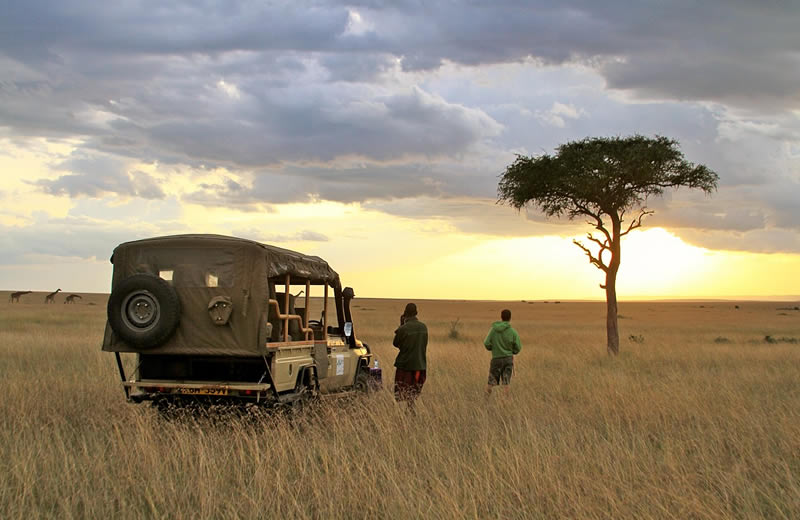
One of the most iconic safari experiences is the open-vehicle jeep safari. In the Maasai Mara, Kenya, travelers ride across the vast savannah in specially designed jeeps with expert guides. This setup allows close but safe encounters with predators like cheetahs and prides of lions. The open design of the vehicles gives an immersive feeling, making every sighting thrilling.
The relevance of jeep safaris lies in accessibility. They allow families, solo travelers, and even elderly visitors to comfortably explore large areas without sacrificing the raw experience of nature.
Walking Safari in Zambia
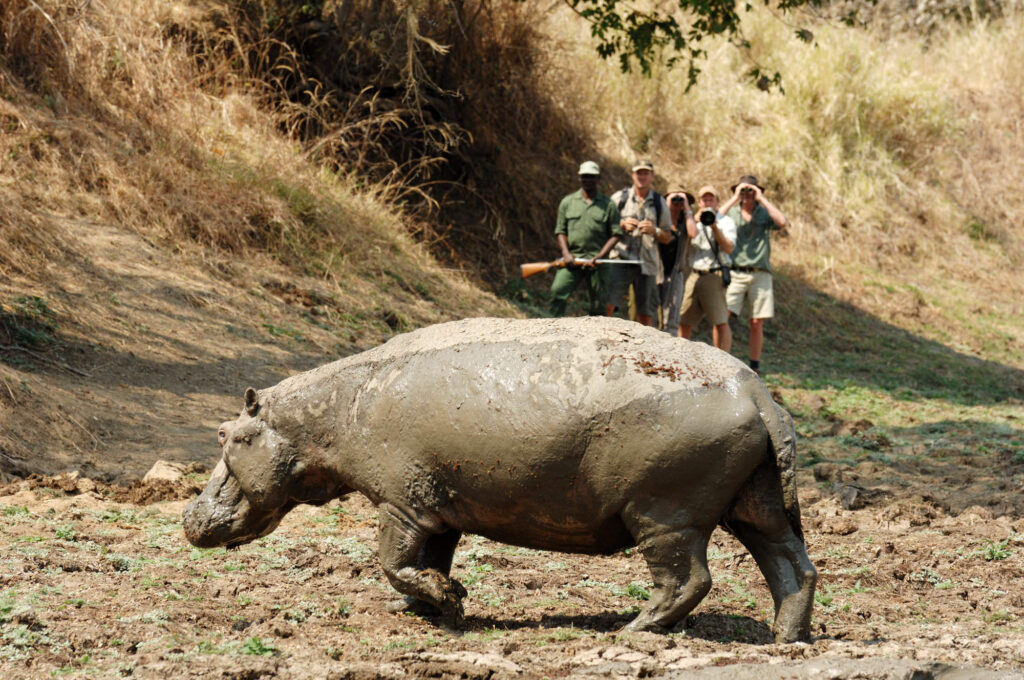
Walking safaris are a growing trend, particularly in Zambia’s South Luangwa National Park. Unlike jeep tours, walking safaris focus on smaller details of the ecosystem. Travelers explore on foot with armed rangers and guides, observing footprints, insects, and plant life up close.
The benefit of this approach is intimacy. Instead of rushing to find big animals, participants learn how the entire ecosystem works together. It’s a grounding experience that shifts the focus from adrenaline to deep understanding.
Luxury Safari Lodges in South Africa
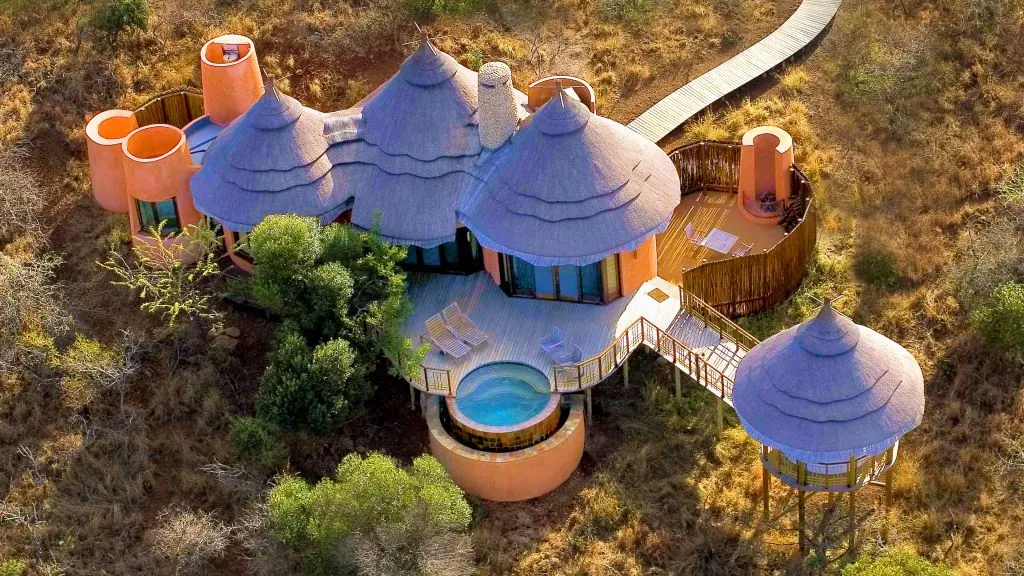
Safari vacations are not just about roughing it in the wilderness. In South Africa, luxury safari lodges combine wildlife adventures with modern comforts. These lodges feature infinity pools overlooking watering holes, gourmet dining, and private game drives.
The relevance here is accessibility to different traveler preferences. Luxury safari vacations attract tourists who want adventure without sacrificing comfort. They prove that safaris can be both rugged and refined, appealing to a broader audience.
Cultural Safari with the Maasai People
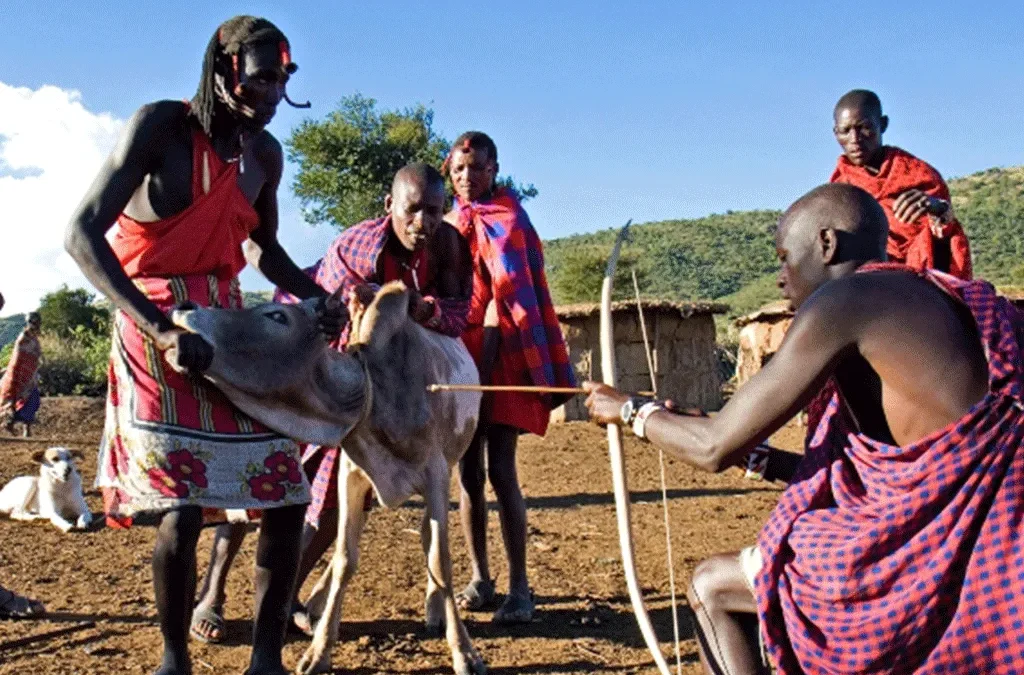
A safari vacation is incomplete without understanding the human side of the land. In Kenya and Tanzania, cultural safaris allow travelers to visit Maasai villages. Here, guests can learn traditional dances, crafts, and survival techniques passed down for centuries.
This experience connects wildlife exploration with cultural appreciation. It highlights the role of indigenous communities in protecting and coexisting with nature, giving travelers a more holistic safari vacation.
Benefits of Safari Vacations
Safari vacations offer a wide range of benefits beyond just wildlife viewing. First, they foster a deeper connection with nature. In a world dominated by technology and fast-paced lifestyles, safaris provide moments of stillness and awe that reset the mind.
Second, safari vacations promote conservation. Many parks use tourism revenue to fund wildlife protection and anti-poaching efforts. By participating in safari tourism, travelers indirectly support the preservation of endangered species and fragile ecosystems.
Third, safaris bring educational benefits. Children and adults alike gain firsthand knowledge about biodiversity, ecosystems, and the importance of protecting natural resources. These lessons often stay with travelers long after their trip has ended.
Role of Technology in Enhancing Safari Vacations
Modern technology has transformed safari vacations without diminishing their authenticity. GPS tracking allows guides to monitor animal movements, increasing the chances of sightings. High-quality cameras and drones enable travelers to capture memories without disturbing the animals.
Virtual reality and online platforms have also made safaris accessible to those who cannot travel physically. While nothing replaces the real thing, these technologies allow more people to appreciate wildlife and understand conservation efforts globally.
Practical Use Cases of Safari Vacations
Safari vacations solve multiple problems for different types of travelers. For families, they provide an educational holiday that entertains children while teaching them about the natural world. Solo travelers, safaris offer a safe yet adventurous escape, often fostering connections with like-minded people on group tours.
For professionals needing a break, safari vacations act as a digital detox. Many safari lodges have limited internet connectivity, encouraging guests to disconnect from work and immerse themselves in nature. Couples also benefit from the romantic side of safari vacations, with starlit dinners and breathtaking sunsets providing the perfect backdrop for bonding.
Frequently Asked Questions
1. What is the best time of year for safari vacations?
The ideal time depends on the destination. In East Africa, the Great Migration occurs from June to October. In Southern Africa, the dry season from May to September offers the best wildlife viewing, as animals gather around water sources.
2. Are safari vacations safe?
Yes, when conducted with professional guides and in regulated parks, safaris are very safe. Parks prioritize both visitor safety and animal protection, ensuring responsible tourism practices.
3. Do safari vacations require special fitness levels?
Not necessarily. Jeep safaris are accessible to most travelers regardless of fitness level. Walking safaris may require moderate stamina, but overall, safaris can be tailored to fit various physical abilities.